REVIEW · HIROSHIMA
Hiroshima: Acupuncture and Japanese unique massage treatment
Book on GetYourGuide →Operated by 鍼灸院・整体院kondoh · Bookable on GetYourGuide
Back muscles have a sense of humor. One minute you’re walking Hiroshima’s streets, the next you’re hunting relief—so this private acupuncture and chiropractic session near the Atomic Bomb Dome can feel like a smart reset.
I like the setup: you get one-on-one care in a private room, with a medical questionnaire and a physical condition check before anything starts. I also like that the clinic combines acupuncture with a Japanese chiropractic approach, instead of treating it like a one-note massage appointment.
One thing to consider: the massage portion may feel shorter if you’re expecting a longer, hands-on bodywork session. The core of the treatment is acupuncture plus the Japanese-style chiropractic work, and that’s where your time mainly goes.
In This Review
- Key things to know before you book
- Hiroshima’s Atomic Bomb Dome area: a calm place to fix a tired body
- Inside Kondoh: what happens before any needles show up
- The acupuncture piece: disposable needles and moxibustion heat at acupoints
- Japanese-style chiropractic (“nerve chiropractic”) for gentle movement relief
- What “90 minutes to 2 hours” feels like in real life
- Companion-friendly comfort: machine-assisted leg massage while you’re treated
- Pricing: what you’re paying for, and how to choose your length
- Who should book this in Hiroshima
- Potential drawbacks and how to avoid booking regret
- My take: the best way to use this appointment as part of your Hiroshima plan
- Should you book Kondoh Acupuncture and Chiropractic in Hiroshima?
- FAQ
- How long is the Hiroshima acupuncture and Japanese chiropractic treatment?
- Is this treatment done in a private room?
- What techniques are included?
- Are the acupuncture needles disposable?
- Can I bring a companion?
- What language is used during the session?
- What is the cancellation policy?
Key things to know before you book
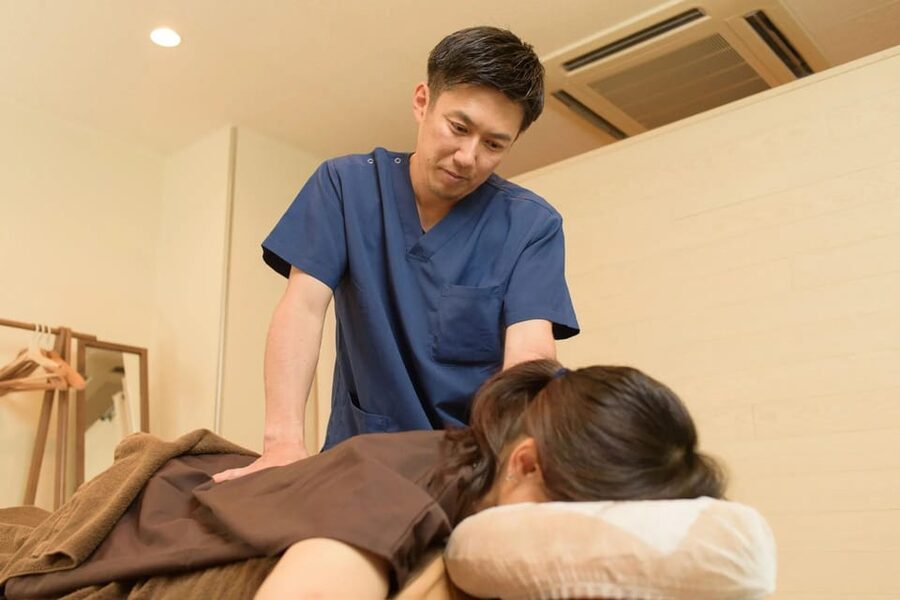
- Private room, one-on-one support: quiet setting with counseling and direct attention
- Disposable needles plus moxibustion: acupuncture uses needles and adjusted heat at acupoints
- Licensed, nationally qualified practitioners: acupuncturist/moxibustion/judo therapist qualifications are part of the promise
- Seitai-style chiropractic (“nerve chiropractic”): gentle, aimed at nerve function and muscle movement
- Companion option: if you have someone with you, they can get a machine-assisted leg massage in a separate waiting room
- Reservable time slot: you choose when you go, reducing waiting time
Hiroshima’s Atomic Bomb Dome area: a calm place to fix a tired body
Hiroshima has a way of making your body tense up. Even if you’re not thinking about it, long museum time and walking can tighten your neck, shoulders, and lower back.
This treatment location matters because it’s near the Atomic Bomb Dome, so you’re not adding a big detour just to get care. Instead of cramming one more thing into the day, you can schedule an appointment while your plans are already centered in the city’s key sights.
Think of it like this: one side of the day is history and reflection. The other side is making your body feel human again. If you’re traveling and your “travel body” has started to show up, this is a direct way to address it.
Inside Kondoh: what happens before any needles show up
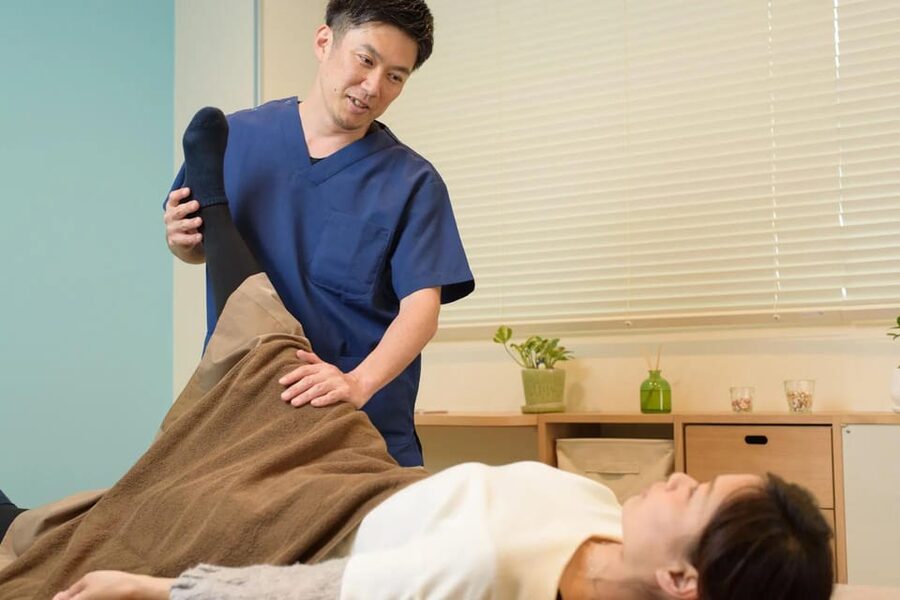
Your session starts with paperwork and conversation. You’ll fill out a medical questionnaire, then do a physical condition examination so the therapist can match the treatment to what’s going on.
After that, you get an explanation of the treatment policy. This is one of those small-but-important steps—because it sets expectations and helps you feel in control, even if you’ve never tried Japanese acupuncture or chiropractic work before.
In a lot of clinics, the first visit can feel like a rush. Here, the flow is built around counseling. The idea is that the therapist listens to your concerns and questions, then investigates likely causes of the discomfort before starting.
I also appreciate the privacy. The clinic describes the room as fully private and quiet, and that means you’re not trying to relax while listening to other appointments around you. Your companion situation is separate too, with a dedicated waiting room for machine leg massage.
The acupuncture piece: disposable needles and moxibustion heat at acupoints
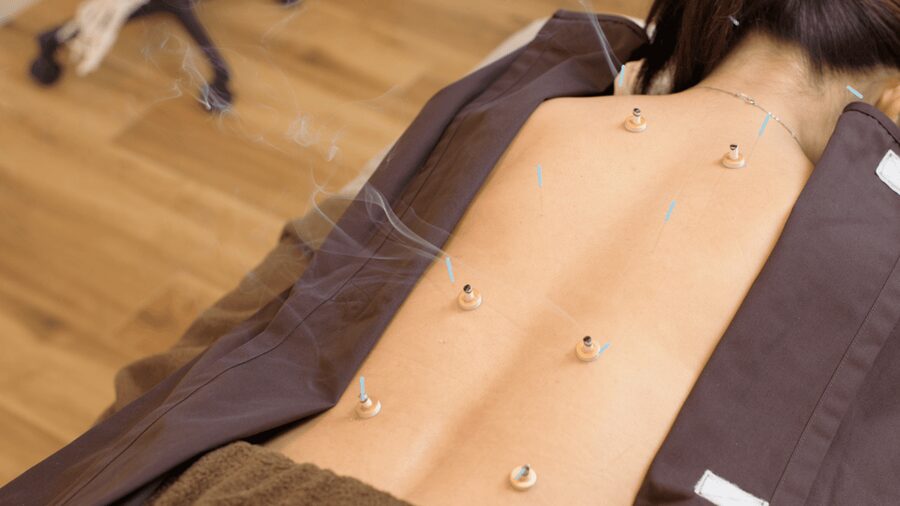
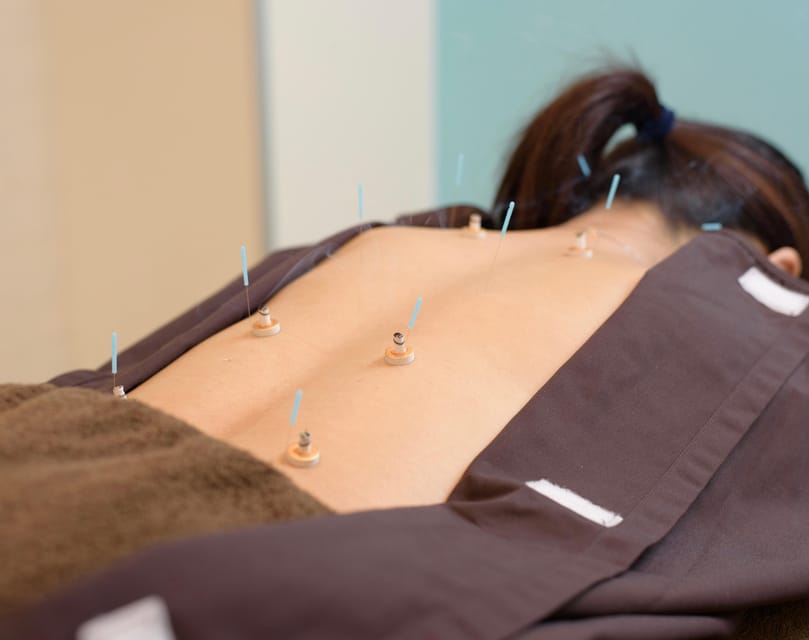
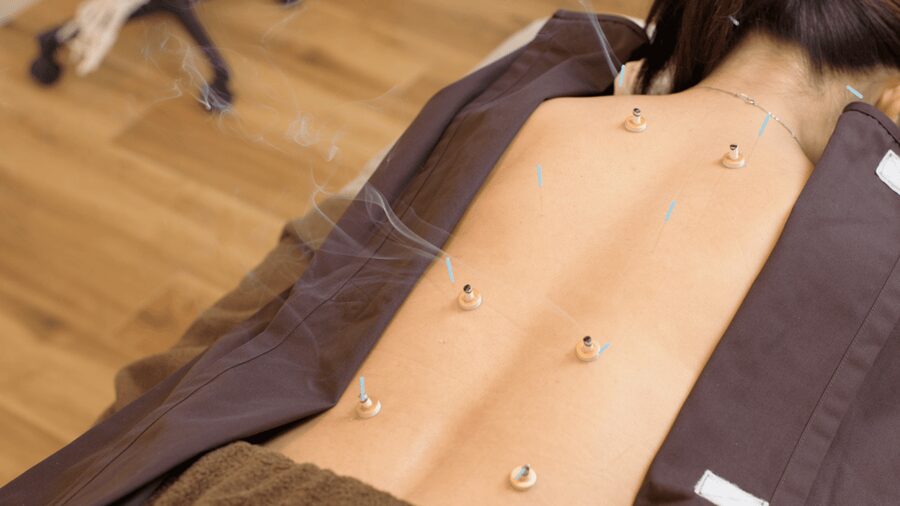
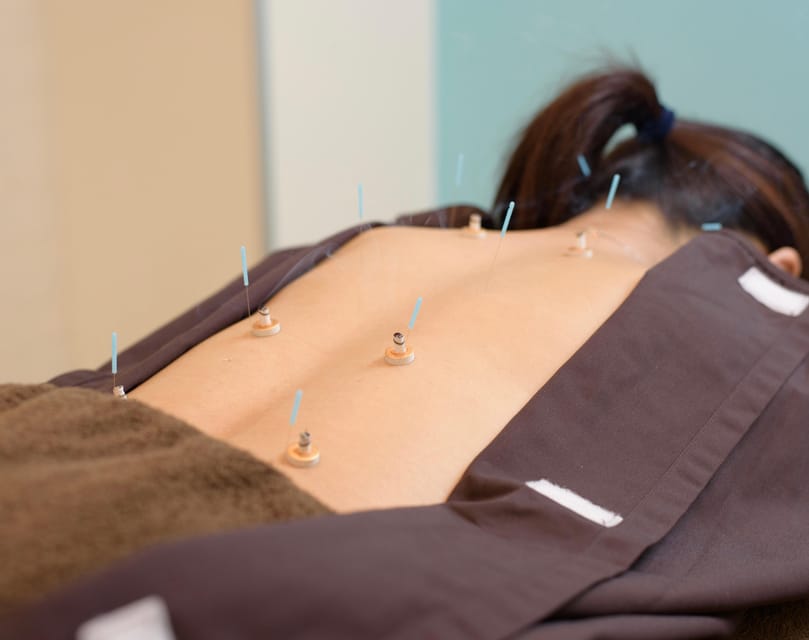
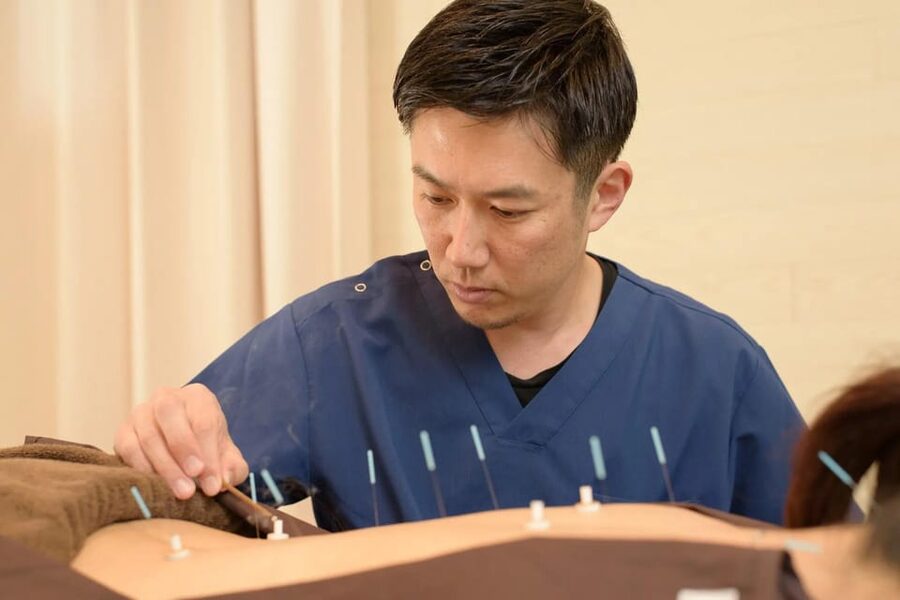
The acupuncture part is the headline. The clinic uses disposable needles, and it also incorporates moxibustion, described as a comfortable heat adjusted for you at acupoints throughout the body.
The clinic frames acupuncture as both healing and relaxation. They specifically talk about feeling “chi” circulating through your body, which is a traditional way of describing the experience. You don’t need to buy into the philosophy to still appreciate the goal: easing tension and supporting the body’s natural recovery.
They also mention the technique is designed to be safe, with methods passed down in Japan. If you’re cautious about acupuncture, that’s the kind of reassurance you want up front: a professional approach and a clear plan rather than improvisation.
One small but meaningful detail: the clinic says they use needles and heat across the body, not just one tight spot. If your discomfort is travel-related—like stiffness that spreads from neck to upper back—that broader approach can make sense.
They also claim 70–80% of repeat customers have received acupuncture and were satisfied with results. That’s a marketing statement, but it does suggest acupuncture is a core service, not a side offering.
Japanese-style chiropractic (“nerve chiropractic”) for gentle movement relief
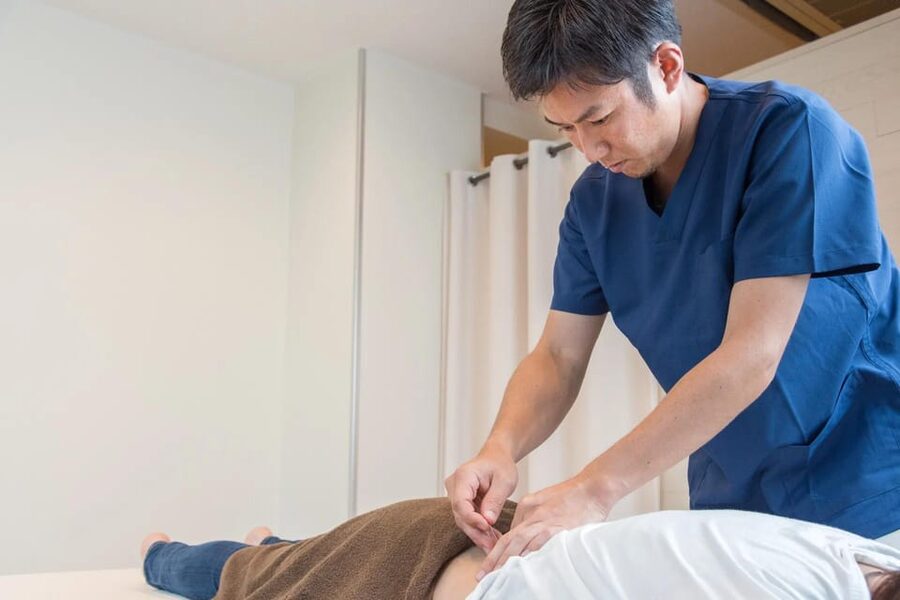
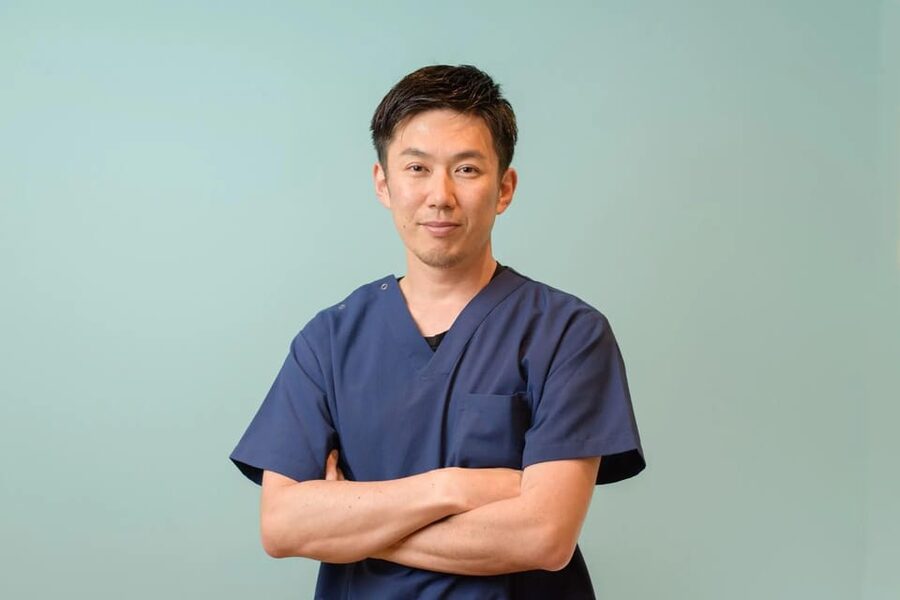
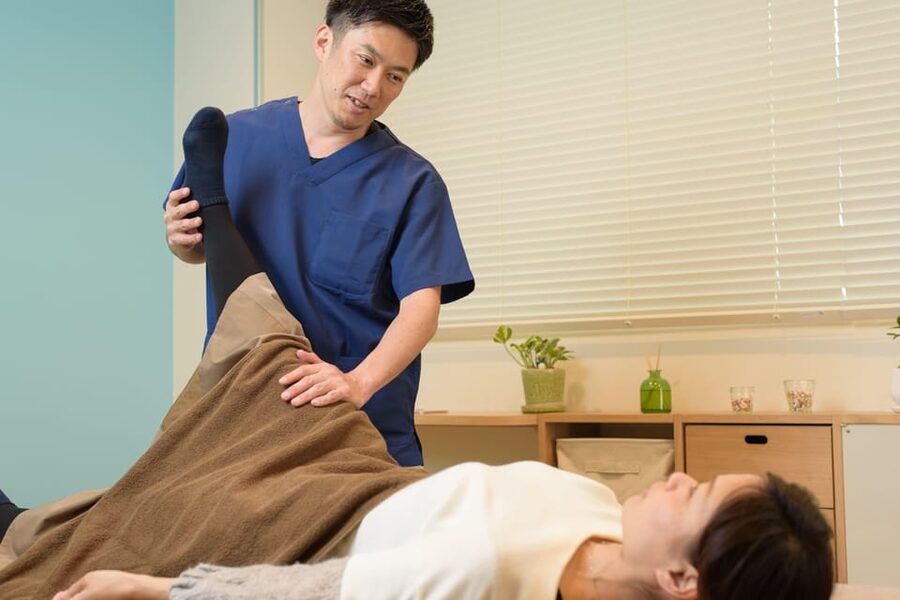
After acupuncture, you’ll move into the Japanese chiropractic side. The clinic calls it “nerve chiropractic,” and it’s described as mainly a gentle and comfortable treatment.
They say you can receive it with confidence regardless of age, gender, or chronic illness. That’s another positioning statement, but it lines up with how the clinic describes the session: not aggressive cracking, more a supportive approach aimed at function.
The clinic’s description is that it restores normal nerve function and muscle movement. They also say you may feel like you are in zero gravity during the treatment, which signals the goal is comfort and relaxation as much as physical effect.
I’d file this under “supportive mechanics.” If your back or neck feels stiff, it’s often your nerves and muscle coordination that are acting up, not just one sore muscle. A gentle chiropractic session alongside acupuncture can be a good combo when your goal is overall reset.
What “90 minutes to 2 hours” feels like in real life
Your booking window matters because this isn’t a quick in-and-out add-on. The typical session length is 90 minutes to 2 hours, and the clinic also offers longer options by time bracket.
Here’s the practical way to think about your time: you’re not just receiving treatment, you’re also spending time on intake, explanation, treatment, and post-care guidance. That makes the session feel more like healthcare than a spa.
If you’re the type who gets restless waiting, you’ll likely appreciate that the clinic is reservation-only and you come at the time you choose. That can reduce the “where do I sit and what do I do now” stress, especially after a day of sightseeing.
One visitor detail I took note of: a person who received acupuncture said the therapist explained what was happening and handled it professionally. Another account mentioned a companion used a machine-assisted leg massage, which fits the idea that the clinic is set up for both treatment and decompression.
Companion-friendly comfort: machine-assisted leg massage while you’re treated
If you’re traveling with someone, this place is easier than many clinics. The clinic says accompanying persons can receive a machine-assisted leg massage in a dedicated waiting room.
That’s a big quality-of-life point. You’re not stuck trying to entertain a partner or friend in a hallway. And your companion isn’t waiting with nothing to do.
It also helps that the main treatment is in a private room. The companion waiting setup is separate, so your attention stays on your own counseling and treatment.
If you’re going with a friend and one of you needs acupuncture while the other just wants recovery after walking, this is one of the few “both people get something” options in the area.
Pricing: what you’re paying for, and how to choose your length
The experience is priced around $95 per person for the 90-minute to 2-hour range. The clinic also lists clear time options: 50 minutes, 90 minutes, and 120 minutes, with pricing in yen.
To judge value, I look at what you actually get. You’re paying for: intake counseling, an exam, acupuncture with disposable needles plus moxibustion, Japanese chiropractic work, and post-treatment precautions for daily life.
That’s why the time range matters. If you’re dealing with chronic body pain, you probably want enough time for the therapist to assess, treat, and then give self-care guidance. If you just want travel recovery after a long day, 90 minutes can be a solid reset.
If you’re the type who always wants more hands-on time, the only caution I’d give is that the massage portion may not dominate the schedule. The main focus is acupuncture plus the Japanese chiropractic approach, and the overall flow is designed around that.
Who should book this in Hiroshima
This fits best if your body is asking for help. The clinic’s own framing points to chronic body pain and healing a tired body after travel.
So if you’re coming off long walks, museum days, or sitting too much on trains, this is a practical way to address discomfort rather than pushing through it. It’s also a smart “reset day” move if you’re trying to enjoy your remaining Hiroshima time without paying for it in pain later.
It’s especially worth considering if you want something more structured than a generic massage. You’re getting a medical questionnaire and counseling, plus a physical condition examination. That makes it feel guided, not random.
And if you’re new to Japanese acupuncture, this is a place that starts with explanation and sets a policy for treatment. That matters when you don’t know what to expect.
One more fit check: language is listed as Japanese only. If you don’t speak Japanese, you might need extra patience for the counseling part. Still, the process is structured, and the clinic is used to one-on-one support.
Potential drawbacks and how to avoid booking regret
Let’s be honest: no treatment is magic, and you won’t feel results instantly. But you can avoid disappointment by setting expectations correctly.
The biggest “watch out” is massage-time expectations. Based on visitor feedback, the massage component can feel a little short. If you’re mainly chasing long manual deep-tissue work, this might not match that fantasy.
Second, this is Japanese-language care. If you need detailed explanations in English, you may find communication limited. It doesn’t mean the session won’t be helpful, but it does affect how confidently you can ask questions.
Third, you should expect a full intake and guidance flow. That’s good, but it means you’re not squeezing it into the last 30 minutes before dinner. Build time for the intake and aftercare guidance so you leave feeling prepared.
My take: the best way to use this appointment as part of your Hiroshima plan
This is the kind of experience that makes your trip feel better in the long run. You can keep moving the next day without the slow-motion soreness tax.
If you’re planning a Hiroshima day packed with the big sights, I’d schedule this treatment after your heavier walking block. That way you’re not fighting discomfort while still trying to enjoy the city.
Also, because the clinic is reservation-only and you choose your time, you can anchor your plan. You can do a morning activity, rest in the afternoon, then handle the appointment on your schedule.
And if you’re worried about privacy, this is a good match. A fully private room means you can relax and let the therapist focus on your body, not other conversations.
Should you book Kondoh Acupuncture and Chiropractic in Hiroshima?
Book it if you want a quiet, one-on-one Japanese acupuncture plus chiropractic experience with a full intake, clear treatment flow, and aftercare precautions. It’s especially good for travel fatigue and chronic-type aches where you want more than a quick fix.
Skip—or at least rethink it—if your main goal is a long, hands-on massage session. This isn’t marketed that way. The schedule is built around acupuncture and “nerve chiropractic,” and the massage element may not feel like the main event.
If language is a concern, go in knowing the session is listed as Japanese. Bring patience, and focus on what you can communicate about your pain and what you want to feel afterward.
For the right traveler, this is a smart use of time in Hiroshima: close to the Atomic Bomb Dome area, structured like real care, and designed for recovery when your body is done sightseeing.
FAQ
How long is the Hiroshima acupuncture and Japanese chiropractic treatment?
The session is listed as lasting 90 minutes to 2 hours, depending on availability.
Is this treatment done in a private room?
Yes. The clinic describes the room as fully private with one-on-one support.
What techniques are included?
The treatment includes Japanese acupuncture and Japanese-style chiropractic (called nerve chiropractic), with moxibustion described as part of the acupuncture approach.
Are the acupuncture needles disposable?
Yes. The experience highlights that disposable needles are used.
Can I bring a companion?
Yes. The clinic says accompanying persons can receive a machine-assisted leg massage in a dedicated waiting room.
What language is used during the session?
The experience lists Japanese as the language.
What is the cancellation policy?
You can cancel up to 24 hours in advance for a full refund.