
REVIEW · SAN MIGUEL DE ALLENDE
San Miguel de Allende : 60-Min Deep Tissue Massage
Book on GetYourGuide →Operated by Essential Massage and Watsu · Bookable on GetYourGuide
A tight day in town can leave your body asking for mercy. This 60-minute deep tissue massage aims straight at stubborn aches, with a therapist who tailors the pressure to what you actually need. I especially like the personalized approach—you’re not stuck with a one-size routine—and the calm spa tone that helps your shoulders drop fast.
The main thing to keep in mind: deep tissue isn’t for everyone. It’s listed as not suitable for wheelchair users and people with recent surgeries, and there’s also an age limit (over 95).
In This Review
- Key things that make this massage worth your hour
- Deep tissue in San Miguel de Allende: what you’re really buying
- Your session flow: what happens after you meet at Quebrada and Insurgentes
- How the personalization actually helps (and why it matters)
- The standout element: the therapist matters a lot
- Deep tissue: what it should feel like during the hour
- Time length: why 60 minutes hits the sweet spot
- Group size: the good kind of small (up to 4)
- Price and value: is $64 a fair deal?
- Where to start mentally: who this massage is best for
- Practical tips so you get more out of the hour
- Should you book the San Miguel de Allende deep tissue massage?
Key things that make this massage worth your hour
- Deep tissue relief that targets muscle tension you’ve built up from daily walking and travel
- Personalized treatment, shaped around your concerns instead of a scripted flow
- A small group size (up to 4) that keeps the experience more focused
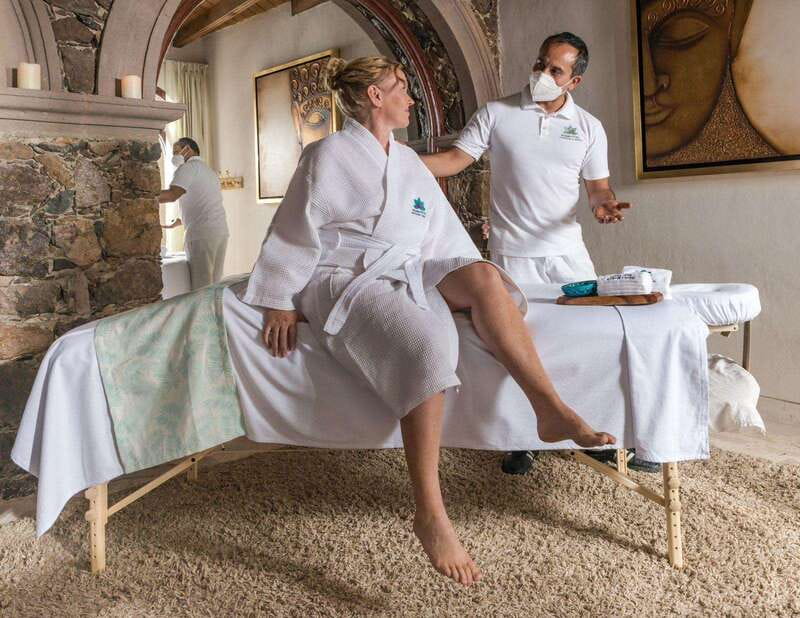
- Therapist-led care in a tranquil setting designed to help you settle in
- Spanish-speaking instructor/therapist support, useful to know before you arrive
Deep tissue in San Miguel de Allende: what you’re really buying
San Miguel de Allende is the kind of place where your day fills up fast—steps, hills, cobblestones, then more steps. This massage is a reset button for the parts of your body that feel like they’re carrying the travel day. For $64, you’re not paying for a show. You’re paying for time with a skilled therapist and a session designed to reduce muscle pain and tension.
It’s also smart that the session is only 60 minutes to 75 minutes. Long enough for a real deep-tissue shift, short enough that you can still plan a dinner or a sunset walk afterward. If your goal is physical relief rather than a “spa package” vibe, this fits.
You can also read our reviews of more tours and experiences in San Miguel De Allende.

Your session flow: what happens after you meet at Quebrada and Insurgentes
You meet at Quebrada and Insurgentes street. That’s your starting point, and from there you’ll head to the spa for your appointment. The timing matters: the advice is to arrive 5 to 10 minutes before your start time. Showing up early helps you avoid a rushed handoff, and deep tissue works better when you’re not tense from being late.
From the information provided, here’s what you should expect once you arrive:
- You’ll have access to a tranquility-and-care environment meant to slow your system down.
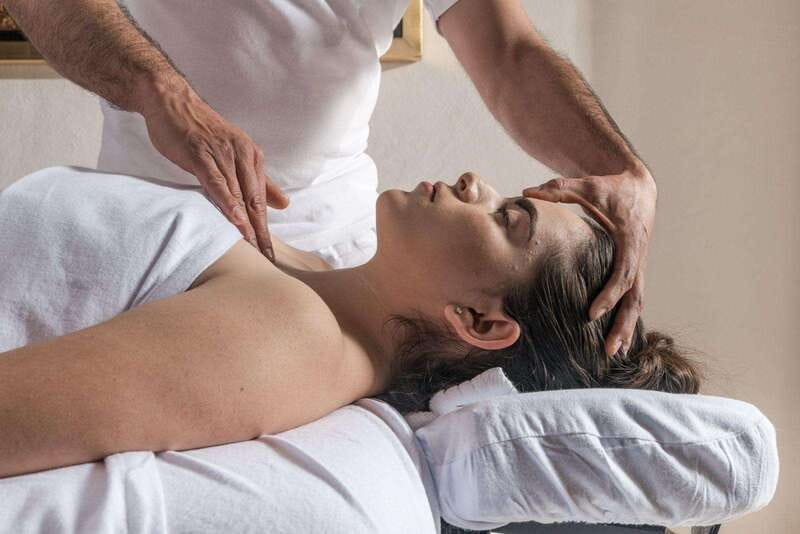
- A therapist will handle the session using precise deep tissue techniques aimed at releasing accumulated tension.
- Your massage should feel tailored to your specific needs, with the therapist taking time to understand your concerns.
Even with great skills, deep tissue is only helpful if the pressure matches your body. That’s where the personalization comes in.
How the personalization actually helps (and why it matters)
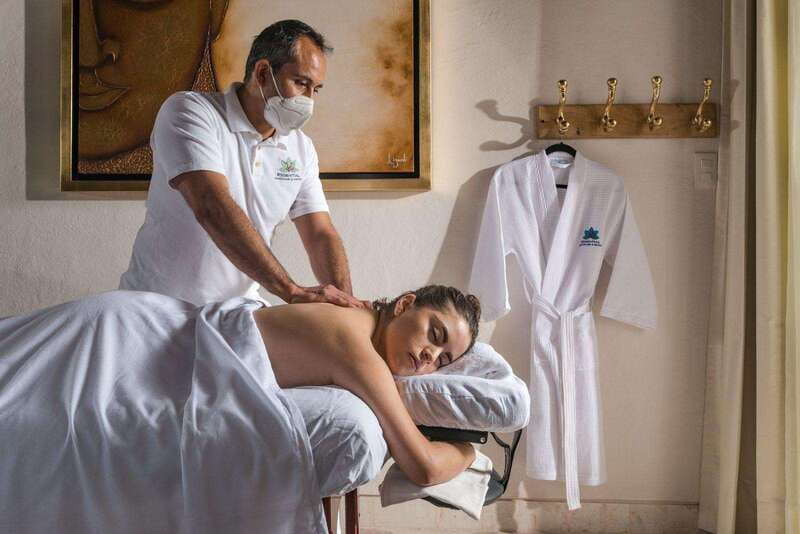
A massage can feel amazing and still miss the point if it doesn’t match your soreness pattern. This one is set up as a personalized journey, which means you’re meant to be heard before the therapist starts working deeply.
Practically, this matters because your pain isn’t one generic problem. It’s usually a mix, like:
- one side tighter than the other,
- muscles that feel bruised from overuse,
- stress that’s showing up as shoulder and neck stiffness,
- legs that feel heavy after lots of walking.
The session is intended to address those real issues so you don’t leave thinking, I got a good massage, but it didn’t fix what I came for. The promise here is pain relief plus a feeling of being renewed and revitalized when you’re done.
The standout element: the therapist matters a lot
The reviews put a bright spotlight on the person doing the work. One reviewer called Miriam a wonder and said it was the best massage of their life. Another simply wrote Best massage.
That aligns with what deep tissue users care about most: pressure accuracy and technique. A deep tissue massage can go wrong if it’s too aggressive in the wrong place—or too light where you actually need help. The combination of skilled therapists and a tailored approach is what makes this feel like more than just an hour on a table.
If you’re the type who wants results (not just relaxation), that therapist quality is the best reason to book.
Deep tissue: what it should feel like during the hour
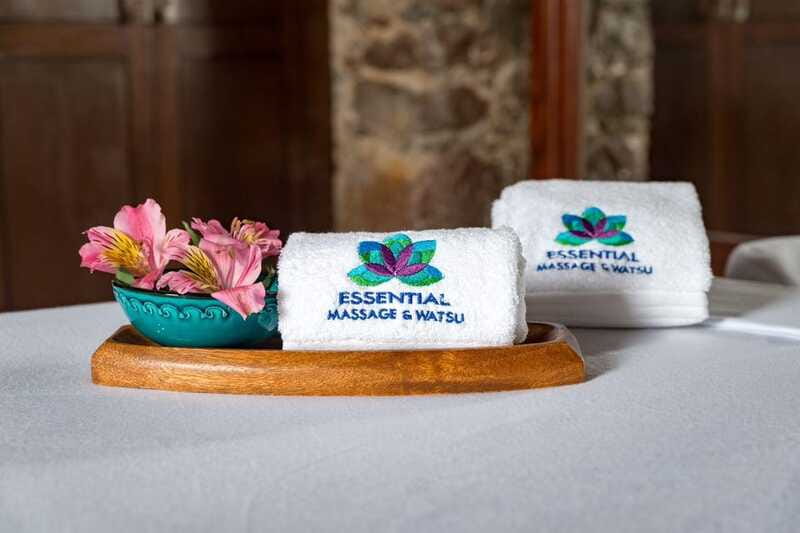
This is a deep tissue massage, so don’t expect only soft, gentle strokes. The goal is to release accumulated muscle tension. That means your therapist uses targeted pressure and hands-on work to work through areas that feel knotted or tight.
A useful way to think about it:
- You’re not just trying to feel good for a moment.
- You’re trying to reduce that “stuck” feeling in muscles that have tightened up over time.
You may feel discomfort while work is applied to tight areas, but the overall intent is alleviating pain and leaving you feeling renewed when it ends. If you’re new to deep tissue, it helps to mentally frame the session as a process—your body usually improves more when communication and comfort are part of the equation.
Time length: why 60 minutes hits the sweet spot
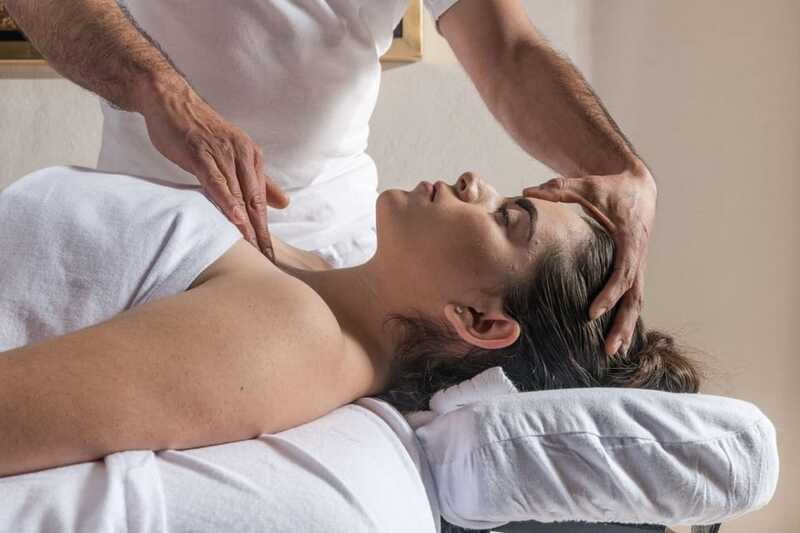
You’re choosing between 60 and 75 minutes depending on availability. Either way, you’re in that ideal zone for deep tissue.
Short enough to keep you from feeling drained, long enough to:
- reach the tense areas,
- repeat the most stubborn spots,
- and finish in a way that helps your body settle instead of feeling half-done.
For a traveler schedule, that’s practical. You can fit this between activities without needing an entire “spa day.”
Group size: the good kind of small (up to 4)
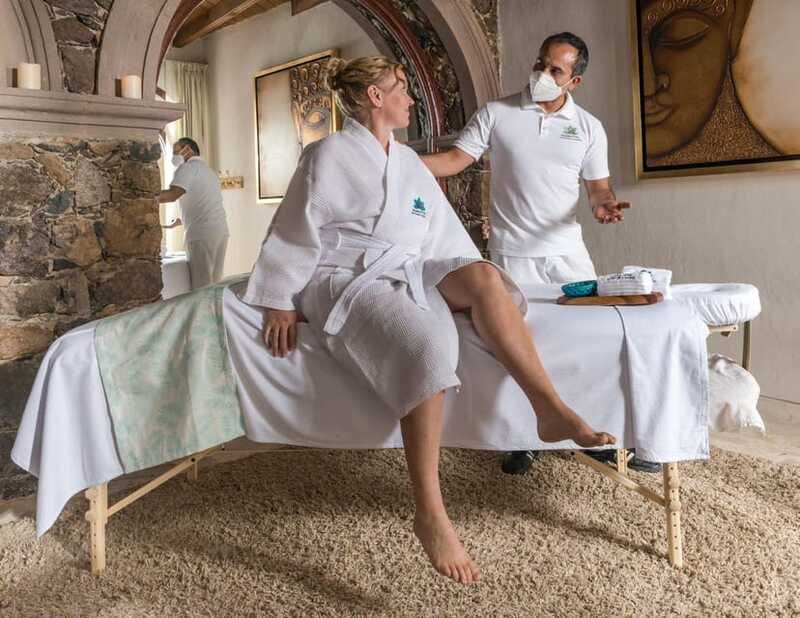
This is listed as a small group, limited to 4 participants. For massage, that usually translates to more attention and less waiting around. You’re not competing for the therapist’s focus, and the whole session tends to feel less rushed.
It also helps you feel more at ease when the appointment environment is calm rather than crowded.
Price and value: is $64 a fair deal?
At $64 per person for roughly an hour, the value comes from three things you actually feel:
- 60 minutes of deep tissue work (not a token add-on),
- a skilled therapist (not just a generic appointment),
- personalization for your concerns.
This isn’t priced like a luxury-only experience. It’s positioned as a direct service: get tension out, reduce pain, and leave better than you arrived. If you’re dealing with travel stiffness—especially neck, shoulders, hips, or legs—this can be the most cost-effective “recovery” step you take while in town.
Where to start mentally: who this massage is best for
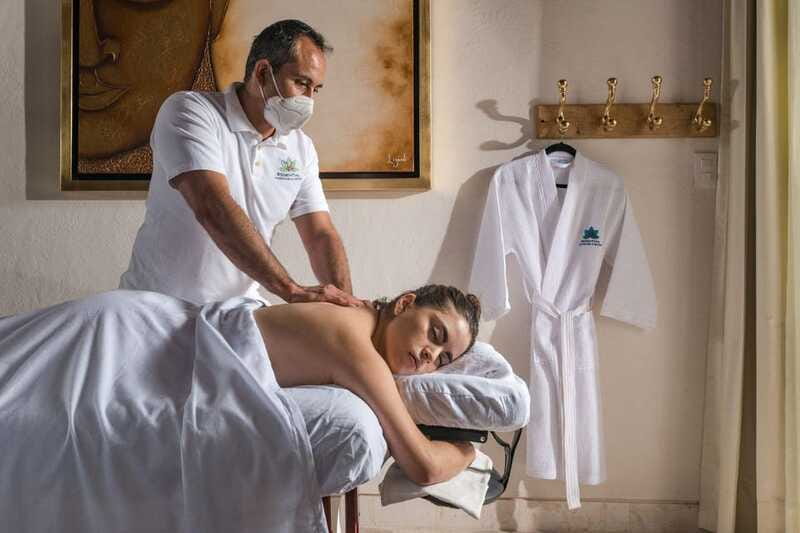
This experience is ideal when you:
- have accumulated muscle tension from sightseeing and walking,
- want deep tissue relief rather than just light relaxation,
- prefer a session tailored to your concerns,
- like a quieter, calmer spa environment.
It might not be the best fit if you:
- need wheelchair access (it’s not suitable for wheelchair users per the info provided),
- have had recent surgeries (listed as not suitable),
- fall outside the age suitability guidance (it notes people over 95).
If you’re unsure, treat the “not suitable” notes as a hard stop and ask a medical professional if deep tissue is safe for your situation.
Practical tips so you get more out of the hour
You don’t need special gear, but you can set yourself up to benefit from the deep work:
- Arrive 5 to 10 minutes early so you’re not tense before the massage starts.
- Plan something gentle after. Your muscles may feel different for a while after deep tissue work.
- Be ready to explain what hurts and where. The personalization only works if your concerns are clear.
Also, one heads-up: Spanish is the listed language. If you speak limited Spanish, don’t panic. You can still communicate key needs (pain location, tenderness, what feels good vs not good). If you want, you can jot down a few simple phrases ahead of time.
Should you book the San Miguel de Allende deep tissue massage?
Book it if you want a results-driven hour: tight muscles, travel stiffness, and a therapist who tailors pressure to your needs. The reviews lean strongly toward “best massage” territory, and the mention of Miriam gives you a real reason to trust the therapist side of the experience.
Skip it if you’re not comfortable with deep tissue intensity, you have a situation flagged as not suitable (wheelchair use or recent surgery), or you’re looking for a very light, purely relaxing session.
If your body feels like it’s been doing the walking for you, this is a smart way to spend one of your hours in San Miguel de Allende—getting relief without turning it into a half-day project.