REVIEW · SIEM REAP
Traditional Bodia Tonic Massage in Siem Reap
Book on Viator →Operated by Bodia Spa Siem Reap · Bookable on Viator
A massage that feels like a reset. This traditional acupressure + light stretching session in Siem Reap targets your back and legs without oils, aiming to improve flexibility and help your body feel more balanced. I especially like the idea of no-oil technique and the way the treatment focuses on key pressure points for real tension relief. One thing to consider: if you’re expecting a fully oil-based, full-body spa experience, this one is more structured and concentrated on the back and legs.
The session runs about an hour and ends where you start, making it an easy win between temple visits and dinner plans. If you want something a bit extra, I’ve seen this same spa experience paired with four-hands work plus a bonus foot reflexology and even a pedicure done while lying flat. The drawback is simple: the approach is designed to work on mobility and energy flow, not deep sports-massage pressure for everyone.
In This Review
- Key Things I’d Watch For
- Why a Traditional Khmer-Style Massage Fits Siem Reap
- What You’ll Feel in the 60-Minute Tonic Session
- Back and Legs Focus: More Useful Than You Think
- A consideration before you book
- Meeting at Pub Street: Easy to Fit Into Your Day
- The Four-Hands Touch and a More Personal Feel
- Price and Value: Why $35 Can Make Sense
- Who Should Book This Massage in Siem Reap
- Should You Book It? My Practical Recommendation
- FAQ
- How long is the Bodia Tonic Traditional Massage?
- Is the massage done with oils?
- What parts of the body does the massage focus on?
- What’s included in the massage technique?
- Is this a private experience?
- Where do I meet for the massage?
- How much does it cost?
- Should you worry about cancellation?
Key Things I’d Watch For
- No oils, back-and-legs focus: You’ll spend the hour working tension-rich areas instead of a full-body sweep.
- Acupressure plus gentle stretching: It’s not just rubbing; you should feel controlled pressure and movement.
- About 60 minutes minimum: Plan it as a proper reset slot, not a quick squeeze-in.
- Private session vibe: It’s set up for just your group, so it feels calmer than a public line.
- Four-hands is an option: Some treatments include two therapists working together for a smoother rhythm.
- Possible add-ons like reflexology and pedicures: If you’re curious, ask what can be added to your appointment.
Why a Traditional Khmer-Style Massage Fits Siem Reap
Siem Reap can be physically demanding in a way you don’t always predict. You walk hot stone floors, climb stairs, and sit in tuk-tuks or temple waits that aren’t exactly ergonomic. So I like that this Bodia Tonic massage is built around release and mobility, not just relaxation theater.
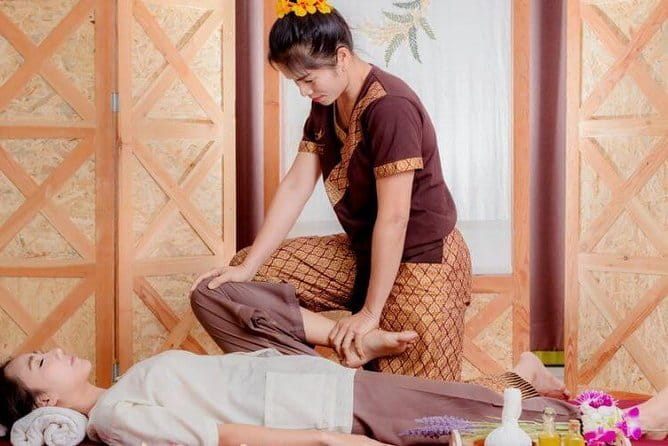
What makes it interesting is the blend of methods. You’re not only lying down while someone applies pressure. This is a traditional-style session that combines acupressure (targeted pressure points) with light stretching movements. The goal is to help restore smoother energy circulation through the body while also improving flexibility—so you can move more comfortably the next day.
And the fact that it’s oil-free matters. Oils can make massage feel more indulgent, but they can also make the experience feel slippery or less precise. Here, you’re getting an approach designed for direct pressure work and stretching, with the back and legs taking center stage.
You can also read our reviews of more tours and experiences in Siem Reap.
What You’ll Feel in the 60-Minute Tonic Session
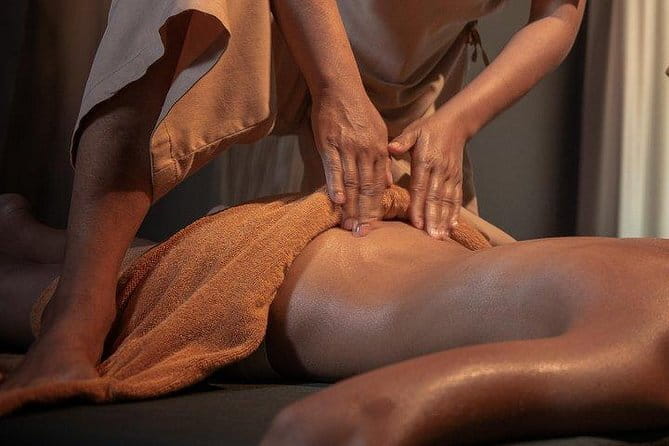
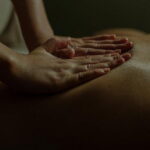
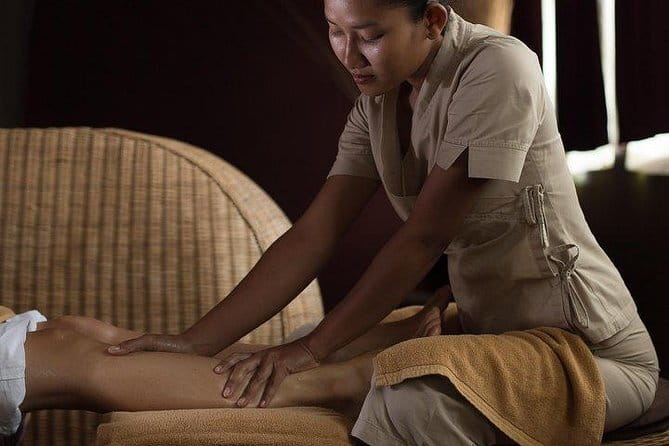
The basic structure is straightforward: a traditional Asian massage using acupressure and gentle stretching, performed without oil. The session pays attention to your back and legs, aiming at the pressure points that commonly build up from long walking days.
In practical terms, expect pressure that’s intentional rather than random. If you’re used to very light spa contact, you may notice the touch is more focused. If you’re used to deep tissue, you should still feel work done through pressure points—but the stretching component is what really changes the experience. Instead of only loosening, it also helps you regain comfortable range of motion.
The session is described as 60 minutes minimum, which is a nice detail because short massages can feel rushed in Siem Reap. This gives the therapist enough time to work tension, switch methods, and finish with movements that feel like they connect the whole back-to-leg chain.
One more thing I appreciate: the service is designed to harmonize body and mind. That can sound like marketing language, but you can feel it in how these sessions usually pace themselves—pressure, then mobility, then relaxation—so your body starts cooperating instead of just enduring.
Back and Legs Focus: More Useful Than You Think
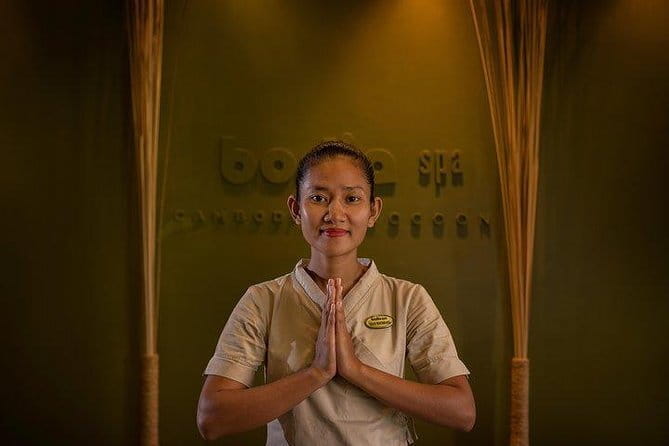
A lot of massages try to be all things: shoulders, back, arms, legs, feet—everything, quickly. This one is more targeted. The back and legs focus isn’t a limitation so much as a smart match for how people experience Siem Reap.
Here’s the logic: temples mean repeated steps and awkward angles—hips and calves get cranky, hamstrings tighten, and your lower back takes the workload. When the massage emphasizes pressure points and stretching along these areas, it’s often easier to feel improvement fast, because you’re working where you actually feel stiffness.
So if you’re the type who spends days walking and then wakes up with that familiar tightness, you’ll likely appreciate that the session doesn’t drift away from the problem zones. The massage is explicitly aimed at releasing tension and improving flexibility of your movement.
A consideration before you book
If your ideal massage is full-body coverage with oils and lots of attention everywhere, this may feel narrow. Also, because it’s oil-free and focused on certain zones, it’s less like a uniform spa wrap and more like a structured body-work session.
That doesn’t make it worse—just different. I’d treat it as a mobility-and-tension reset, not a scented, blanket-soft, all-over hug.
Meeting at Pub Street: Easy to Fit Into Your Day
The meeting point is at BODIA SPA Pub Street Siem Reap, right on Pub Street. That’s a big deal in a city where you can waste energy just figuring out where you are.
You’ll start there and the activity ends back at the meeting point, so you don’t have to plan transport for the massage itself. It’s also described as near public transportation, which helps if you’re hopping around town between sights.
Timing-wise, you’re looking at around an hour. That means you can slot it into:
- a mid-afternoon break after morning temples
- an evening recovery before dinner
- a day you want to feel good enough to walk again the next morning
This is one of those experiences that works best when you treat it like scheduled maintenance.


The Four-Hands Touch and a More Personal Feel
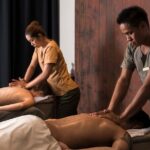
One of the most praised parts of the experience is the care and the quality of the therapists. In one detailed experience, two therapists named Sreymas and Hat delivered a wonderful four-hands experience. That’s a style where two people work together, often creating a smoother flow—especially for back and leg work, where timing matters.
Another detail that stood out from the same kind of feedback: the spa asked for details before starting the massage. That’s exactly what I want to hear in a place like Siem Reap, where you want your session to feel tailored and respectful, not generic.
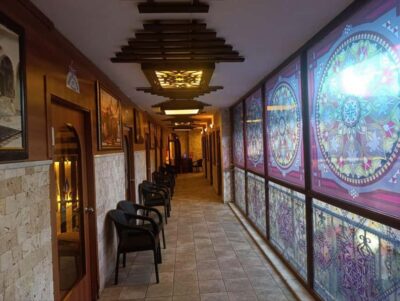
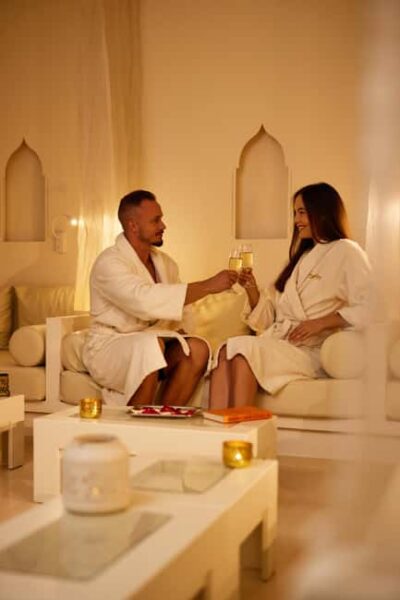
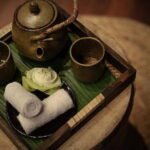
There’s also mention of the spa interior feeling refined and elegant. Even if you’re coming primarily for the bodywork, the environment affects how well you’re able to relax. A calmer setting makes it easier for the session to do its job.
Price and Value: Why $35 Can Make Sense
At $35 per person, this massage sits in the middle of what you’ll see for quality bodywork in tourist-heavy areas—sometimes more, sometimes less. The question isn’t only whether it’s cheap. It’s whether it feels like you’re getting a real session, not a fast pass.
Here’s why I think it’s good value based on what’s included in the experience description:
- Full hour minimum (60 minutes minimum): Longer sessions usually deliver better results.
- No-oil technique and acupressure: This isn’t only cosmetic rubbing.
- Targeted back and leg focus: It’s geared toward the stiffness most visitors actually get.
- Private tour setup: Your group isn’t sharing the same experience with strangers.
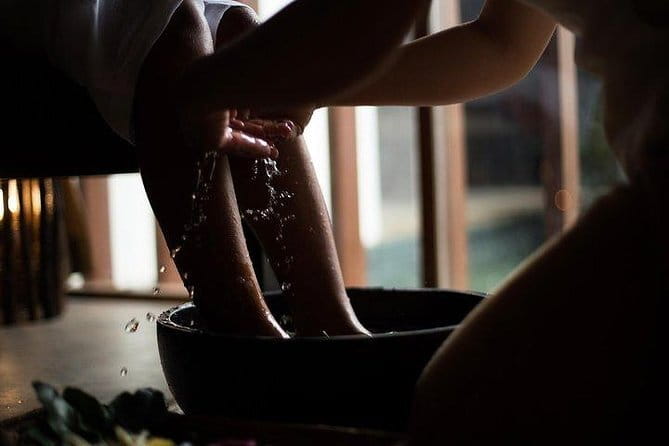
That said, one reason this can feel even better: some people add on extra services. In one example, the massage experience was followed by 30 minutes of foot reflexology and then a pedicure while lying flat. If the spa offers add-ons at the time of your visit, you might be able to turn your massage into a longer reset session for legs and feet.
So I’d treat the $35 base session as a solid core. If you want to go further, ask what’s available for your appointment and whether it can be combined with your massage time.
Who Should Book This Massage in Siem Reap
This is ideal if you:
- want help with tight legs and back from lots of walking
- prefer a structured, pressure-point style massage instead of just long soothing strokes
- like the idea of acupressure plus stretching to improve flexibility
- want a private reset without a loud, crowded spa vibe
It may not be the best fit if you:
- strongly prefer oil-based, full-body sessions
- want very deep, aggressive muscle work only
- have a strict preference for focusing only on shoulders or arms (since this experience prioritizes back and legs)
Most travelers can participate, so you’re unlikely to be shut out. But if you have specific sensitivities around pressure or stretching, it’s smart to communicate that before the session starts—especially since the spa asks for details beforehand.
Should You Book It? My Practical Recommendation
Yes, I’d book this if your main goal is to feel better on your next day of walking. The biggest strengths are the oil-free acupressure + stretching format and the smart focus on back and legs, which matches how Siem Reap wears your body down.
If you’re the type who loves traditional bodywork and wants something focused rather than random, this is a good match. If your ideal massage is a more general, scent-and-lotion spa experience, you might want to consider other options—because this one is built for tension release and mobility.
Bottom line: for $35 and about an hour, it’s a practical way to keep your energy up while you enjoy Siem Reap.
FAQ
How long is the Bodia Tonic Traditional Massage?
It’s about 1 hour, with 60 minutes minimum.
Is the massage done with oils?
No. The massage is performed without oil.
What parts of the body does the massage focus on?
The experience pays special attention to the back and legs.
What’s included in the massage technique?
It combines acupressure with gentle stretching movements.
Is this a private experience?
Yes. It’s a private tour/activity, so only your group participates.
Where do I meet for the massage?
You meet at BODIA SPA Pub Street Siem Reap on Pub Street. The activity ends back at the meeting point.
How much does it cost?
The price is $35.00 per person.
Should you worry about cancellation?
Free cancellation is offered. You can cancel up to 24 hours in advance for a full refund, based on local time.