REVIEW · HA LONG
Vietnamese deep tissue neck and shoulder massage class
Book on GetYourGuide →Operated by Dao's Care Social Enterprise · Bookable on GetYourGuide
A tight neck can turn a great trip into misery. This class focuses on the exact spots that steal your comfort, and it does it in a very practical way. You’ll learn neck-and-shoulder massage techniques step by step, then practice them in pairs with real hands-on coaching. One thing to consider: the session length can vary a lot (3 to 18 hours), so you’ll want to pick a time that matches what you need.
I especially like the warm-up-to-results flow: you don’t start with random moves. You begin with stretches, then move into core techniques like effleurage and kneading, with an instructor watching your form. Another highlight is the small, supportive setup, so you get personalized tips rather than just a demo you forget later.
The main drawback is simple: this isn’t for everyone. It’s not suitable for children under 10, people over 70, or anyone who has altitude sickness, and you also won’t want alcohol or drugs in the mix.
In This Review
- Key Takeaways Before You Go
- A Calm Classroom in Dong Bac That Actually Feels Like a Treatment
- What You Learn: Neck and Shoulder Massage You Can Replicate
- From Warm-Up to Partner Practice: How the Class Stays Practical
- Advanced Targeting for Real Tension Spots (Not Just the Pretty Moves)
- The Ambiance Isn’t Extra. It’s Part of the Skill
- Who the Instructor Style Works For (English, Vietnamese, and French)
- Price and Value: What $66 Buys You in Real Terms
- Timing, Length, and What to Choose
- A Solid Certificate and Take-Home Skills (Plus Follow-Up)
- Should You Book This Vietnamese Neck and Shoulder Massage Class?
- FAQ
- FAQ
- Where is the massage class located?
- What is the price per person?
- How long is the class?
- Is this class taught in English?
- Is the class private or group-based?
- Will I practice with a partner?
- What techniques will I learn?
- Are oils and refreshments included?
- Do I receive a certificate?
- Who should not take this class?
Key Takeaways Before You Go
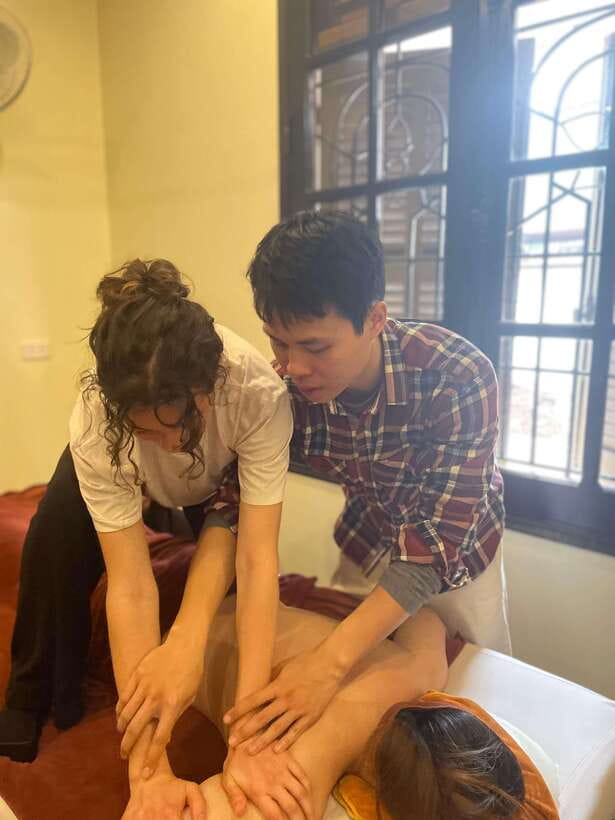
- Hands-on practice with feedback: you learn by doing, not just watching.
- Techniques you can use right away: includes effleurage and kneading for neck and shoulder tension.
- Small class attention: instructors circulate and adjust your movements.
- A real instructor-led tone: teachers with 6+ years of experience speak English (plus Vietnamese and French).
- Certificate and take-home handout: you leave with something concrete to continue practicing.
- Calm, spa-like setup: essential oils, relaxing music, oils and lotions, plus herbal tea and snacks.
A Calm Classroom in Dong Bac That Actually Feels Like a Treatment
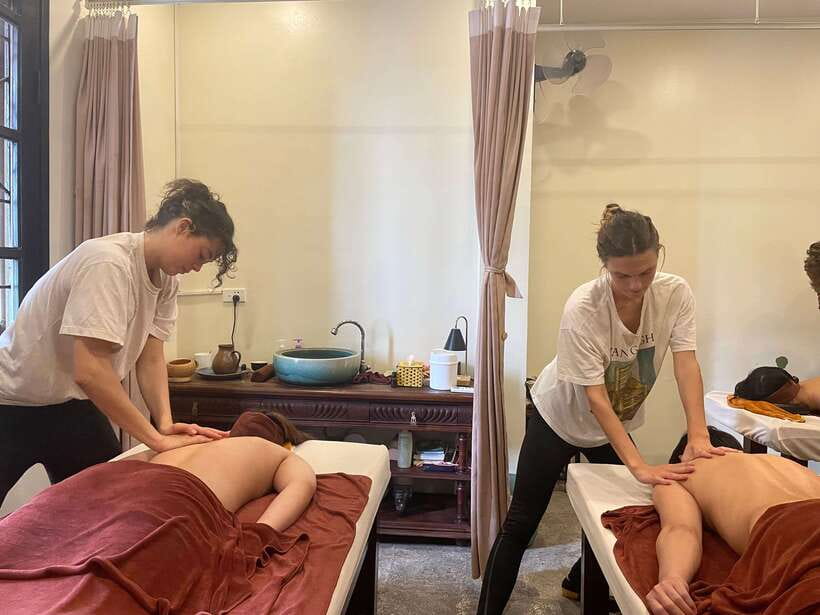
Dong Bac is where this class keeps things grounded: you’re not trudging through a huge tourist program. You walk into a tranquil space with essential oils in the air and music that helps you shift from travel mode to body mode. That matters more than people think. When your mind is busy, your hands get sloppy. When the room is calm, you can focus on technique.
The session starts with an introduction from the instructor, covering what massage does and why neck-and-shoulder work is so effective for everyday tension. Then you ease in with a gentle warm-up and simple stretches, so you’re not attacking tight tissue right out of the gate. It’s a smart start, and it makes the rest of the class feel less like a stunt and more like a skill.
You also get that “small class” benefit in a very practical way. Instead of being left to sort things out, the instructor is able to check your hands, your pressure, and your rhythm. That kind of attention is a big reason the experience earns strong ratings.
What You Learn: Neck and Shoulder Massage You Can Replicate
This isn’t a random assortment of moves. The class is built around a progression, so by the end you understand what you’re doing and how to repeat it. Early on, you’ll learn core techniques such as effleurage (gentle gliding work) and kneading (more structured pressure and shaping). The instructor demonstrates first, usually on a partner during the lesson, then guides you as you try.
What I like about this approach is that it teaches you the “why” behind the “how.” One review highlighted that the instructor didn’t just teach steps; he taught principles. That’s the difference between memorizing a routine and actually being able to adjust when someone’s neck feels different from day to day.
As you progress, you’ll explore methods aimed at specific tension areas in the neck and shoulders. You’ll work on how to target those spots safely and comfortably, using the techniques you practiced earlier as your foundation. In other words, you’re not abandoning the basics. You’re building on them.
You also get a roadmap for what makes a massage session feel right, not only what makes it work. The instructor covers how to set the ambiance at home, including lighting, music, and oils. That’s helpful if your goal is to give relief to yourself or friends after the class ends, not just to pass a test.
From Warm-Up to Partner Practice: How the Class Stays Practical

The flow here is designed for hands learning. First comes a warm-up with simple stretches. Then you move into fundamentals with demonstration. After that, you practice in pairs—giving and receiving massages—so you can feel what you’re applying.
That give-and-take part is where your learning speeds up. When you’re on the receiving end, you notice sensations: where pressure feels supportive, where it feels too much, and how the rhythm changes the effect. When you switch roles, you’re not guessing anymore. You’re translating your own experience into better technique.
You’ll also have instructors circulating throughout practice, offering personalized tips and adjustments. That’s especially useful because neck and shoulder tension can show up differently for different bodies. The class setup is meant to prevent you from drifting into “wrong but confident” habits.
If you like structured learning, this will feel good. If you prefer a more casual vibe, you might still enjoy it because the atmosphere stays relaxing. The room is calm, the music helps you stay present, and the essential oils keep the session from feeling clinical.
Advanced Targeting for Real Tension Spots (Not Just the Pretty Moves)
Neck and shoulder tension is rarely uniform. Some areas feel knotted. Some feel sore. Some just feel tight and cranky, like they’re holding a grudge. The class addresses that with more advanced methods that target specific tension zones rather than treating the whole area the same way.
In practical terms, this is where your earlier fundamentals become useful. You’re likely to use the gliding and kneading techniques as your baseline, then refine how you apply pressure and focus on the parts that need it. Your instructor guidance is key here, because neck work requires control. You don’t want to go strong just to feel like you’re doing something. You want steady and intentional.
One review summed it up nicely: the teacher explained not only the techniques but also the principles and cared about getting things right. That kind of dedication shows up when you learn to adjust without overdoing it. Overdoing it is a common beginner mistake, and this format helps you avoid it.
At the same time, this class doesn’t promise to replace medical care. It’s a massage skill course focused on relaxation and tension relief. If you have serious health issues, it’s smart to ask a professional before you start pressing away.
The Ambiance Isn’t Extra. It’s Part of the Skill

A lot of massage courses forget the environment and focus only on body mechanics. This one builds the atmosphere on purpose: relaxing music, aromatherapy with essential oils, and high-quality massage oils and lotions.
Why does that matter? Because massage is sensory work. Oil texture changes glide. Aroma affects your mood. Lighting and music influence how relaxed the person receiving massage is likely to be. When people feel safe and calm, they often let the muscles soften more easily. That makes your technique more effective and your learning clearer.
You’ll also learn how to recreate a massage environment at home. The class includes tips on lighting, music, and oils. So after you leave, you’re not stuck with a technique list that only works in the class room.
The included refreshments support that “slow down” vibe too. You’ll get herbal tea and light snacks. It’s not just polite hospitality. It helps you transition out of the hands-on work feeling normal, not wiped out and rushed.
Who the Instructor Style Works For (English, Vietnamese, and French)
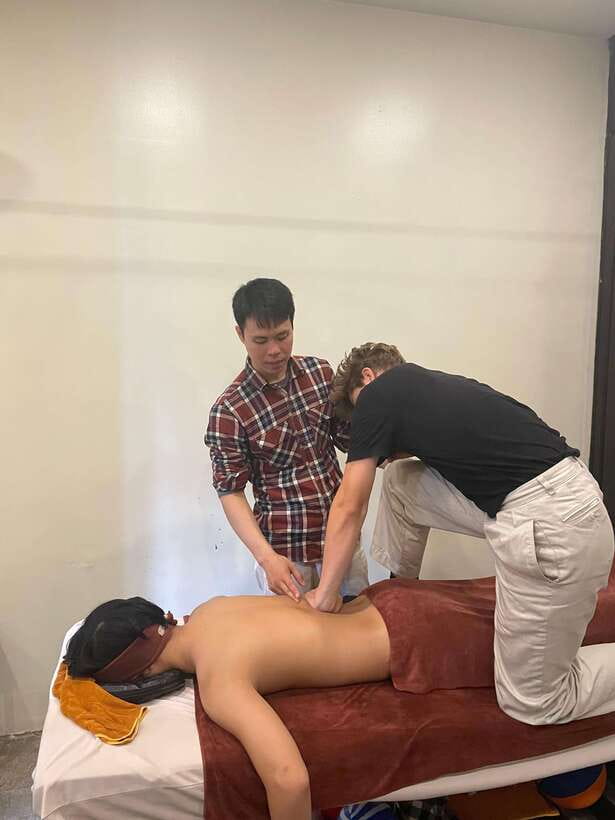
This course is taught by instructors with more than 6 years of experience. English is available, and the instructor can also work in Vietnamese and French. That language flexibility helps a lot if you’re not fully comfortable in English all the time. One review specifically praised a French-speaking experience with one-on-one focus during instruction, which tells me they can adjust communication style to fit the group.
The teaching approach also seems supportive rather than strict. Reviews mention instructors giving instant feedback and encouraging you to correct form. That’s ideal for beginners. It’s also good for intermediate learners who want to sharpen their method, because you’re getting real-time coaching rather than vague advice.
Small class sizes are another practical win. You learn faster when you’re not waiting your turn. You also get more chances to ask questions and get specific answers instead of group-level generalities.
Price and Value: What $66 Buys You in Real Terms
At $66 per person, this class is priced like a hands-on skill workshop, not like a tourist show. The value comes from what’s included and how much practice you get.
You’re paying for:
- Expert instruction from a certified massage therapist
- Hands-on guidance plus personalized feedback
- Practice materials: massage oils and lotions
- A classroom ambiance with essential oils and calming music
- Refreshments (herbal tea and light snacks)
- A certificate after completion
- A detailed handout to take home
- Access to follow-up support and resources
In other words, you’re not just watching. You’re learning technique with coaching, then receiving a take-home reference that helps you keep practicing.
One thing to consider is time. Since the duration is listed from 3 to 18 hours depending on the option you book, the “cost per hour” can change based on the schedule. If you want the most practice time possible, pick a longer option. If you just want a solid entry level foundation, a shorter session may be perfect. Either way, the price makes sense because the experience is structured around practice, not sightseeing.
Timing, Length, and What to Choose
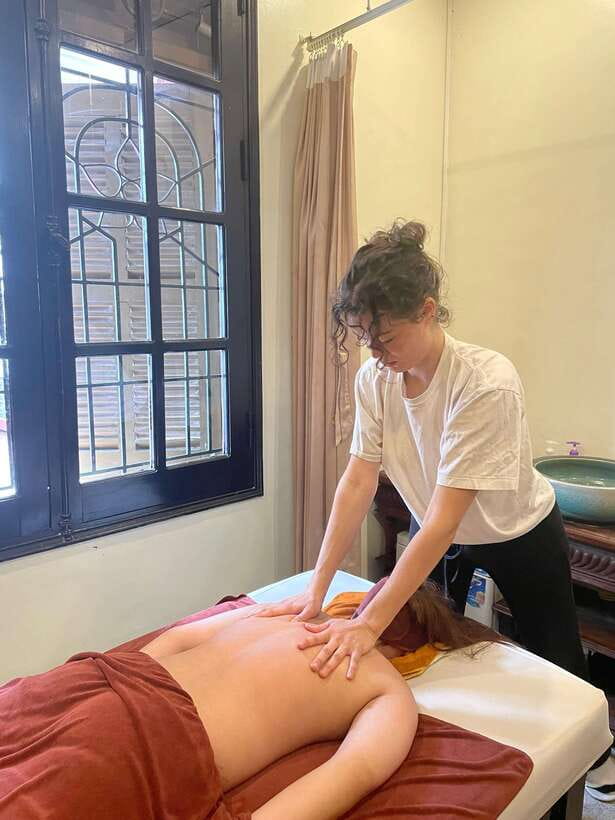
The class duration ranges from 3 to 18 hours. That’s a wide spread, and it’s worth thinking about how you learn.
If you’re new, you may appreciate the extra time to repeat techniques and get correction on pressure and rhythm. If you already have massage basics, you might prefer the option that lets you focus on more advanced targeting.
Meeting points can vary depending on the option booked, and the activity ends back at the meeting point. That keeps things simple once you arrive, but it also means you should confirm your exact start location in your booking details.
Also, keep your body and schedule in mind. This is a hands-on course, so plan around it like you would around any active workshop. You’ll want to feel hydrated and comfortable enough to practice.
A Solid Certificate and Take-Home Skills (Plus Follow-Up)
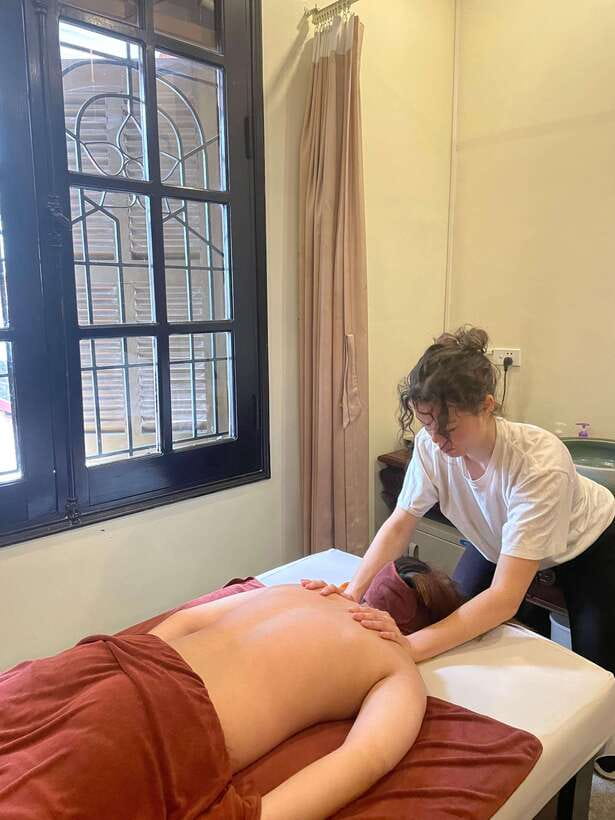
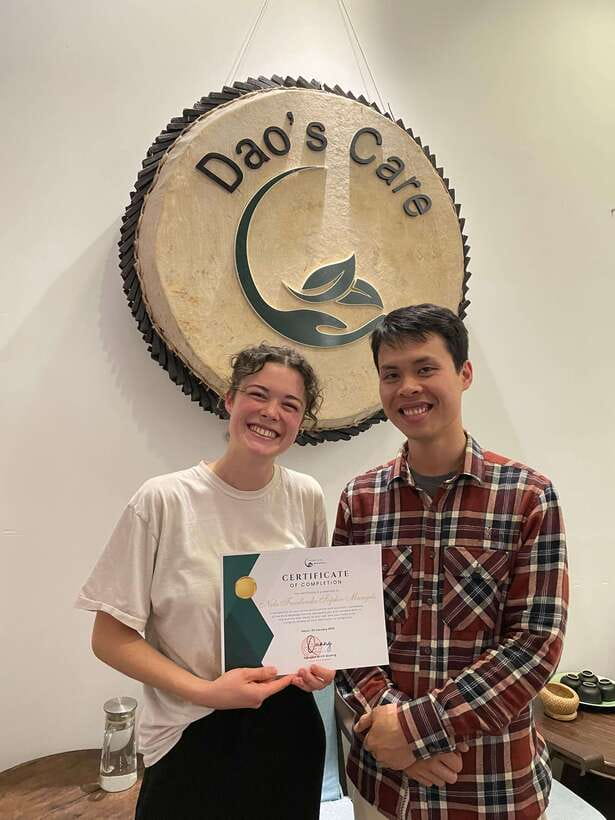
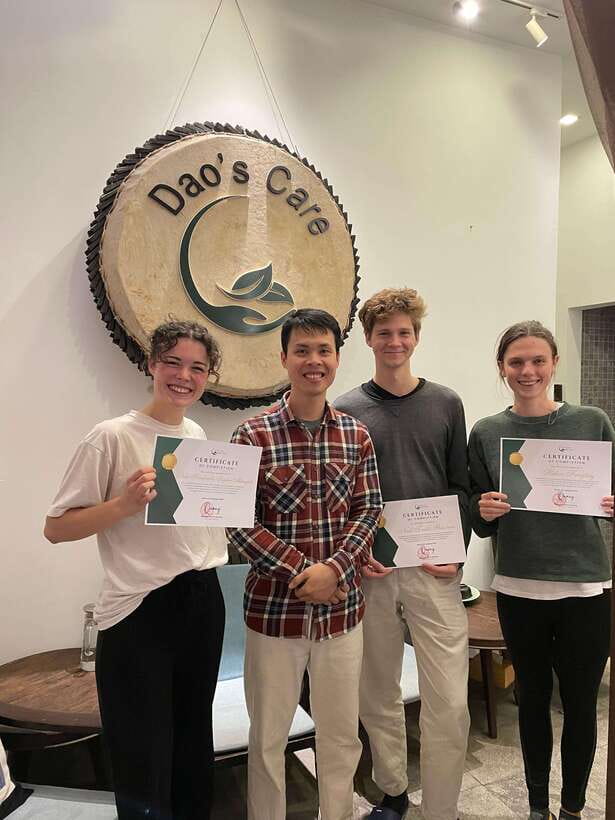
You’ll receive a certificate of completion after finishing the course, plus a detailed handout you can take home. That matters because neck-and-shoulder massage is a repeatable skill. If you can’t remember your sequence later, the class doesn’t really stick. The handout helps you keep your method consistent.
You also get access to follow-up support and resources. That’s a quality sign because massage learning doesn’t end on the last minute. Your hands improve with repetition, and it helps to know there’s support afterward if you have questions.
One review praised how the instructor explained principles, and another highlighted strong feedback during practice. Combined with the handout and follow-up resources, this course is set up for ongoing improvement, not one-and-done learning.
Should You Book This Vietnamese Neck and Shoulder Massage Class?
I’d book it if you want hands-on instruction that teaches you techniques you can actually reproduce, especially for neck and shoulder tension. The small class format, personalized coaching, and calming ambiance make it a comfortable way to learn. The fact that instructors speak English (plus Vietnamese and French) makes it easier to ask questions and get real clarity.
Skip it if you fall into the “not suitable” groups listed here: children under 10, people over 70, or anyone dealing with altitude sickness. Also think twice if you want a passive experience. This class expects you to practice in pairs (or with practice setup), so you’ll be using your hands and paying attention.
Finally, if you want a massage hobby or you’re serious about giving better relief at home, the combination of certificate, handout, and follow-up support gives you a strong “next steps” path. For a single workshop price, it’s a practical way to learn a skill you’ll use again.
FAQ
FAQ
Where is the massage class located?
It takes place in Dong Bac, Vietnam.
What is the price per person?
The price is $66 per person.
How long is the class?
The duration can range from 3 to 18 hours. Your exact time depends on the option you book.
Is this class taught in English?
Yes. The instructor can teach in English, and also in Vietnamese and French.
Is the class private or group-based?
It’s a private group.
Will I practice with a partner?
Yes. You’ll practice in pairs or with mannequins.
What techniques will I learn?
The class includes fundamental techniques such as effleurage and kneading.
Are oils and refreshments included?
Yes. You’ll use high-quality massage oils and lotions, and you’ll get herbal tea and light snacks.
Do I receive a certificate?
Yes. You receive a certificate of completion after finishing the course.
Who should not take this class?
It’s not suitable for children under 10 years, people over 70 years, or people with altitude sickness. Alcohol and drugs are not allowed.