REVIEW · HANOI
Vietnamese Authentic Traditional Massage
Book on Viator →Operated by Up Travel Vietnam · Bookable on Viator
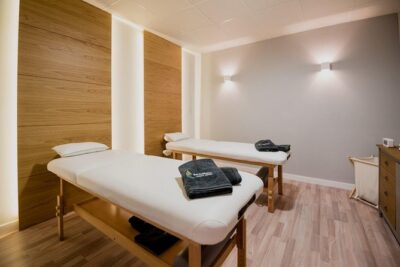
Ready for a massage that feels a bit physical? Hanoi’s Vietnamese traditional massage leans on punching, clapping, and acupressure-style pressure to get blood moving and help you unwind. I like that you don’t just get a generic rubdown—you get a customised treatment using botanical essences and a specific essential-oil blend designed for these customers.
There is one thing to plan for: the experience can include a tipping moment that may feel awkward if you expect Vietnam to be tip-light. Also, the session starts at a specific street address, so it helps to take your time finding the place at 5 P. Hàng Bè, Hàng Bạc, Hoàn Kiếm.
In This Review
- Key highlights to know before you go
- Hanoi massage 101: what makes this style different
- What happens during the 1-hour session (and why it matters)
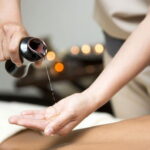
- The oil and scent part: botanical essences + a special blend
- The physical technique: how punching and clapping can feel relaxing
- Finding the spot in Hanoi: start at 5 P. Hàng Bè
- Private by group: better flow, less awkwardness
- The tipping consideration: be clear before you start
- Is it worth $25 for a 1-hour massage in Hanoi?
- Who should book this massage (and who might skip it)
- Should you book this Vietnamese traditional massage in Hanoi?
- FAQ
- How long is the Vietnamese traditional massage experience?
- How much does it cost per person?
- Where do I meet for the massage?
- Is this a private experience?
- What type of ticket do I receive?
- What should I expect from the massage technique?
- What oils or products are used?
- When will I receive confirmation?
- Is free cancellation available?
Key highlights to know before you go
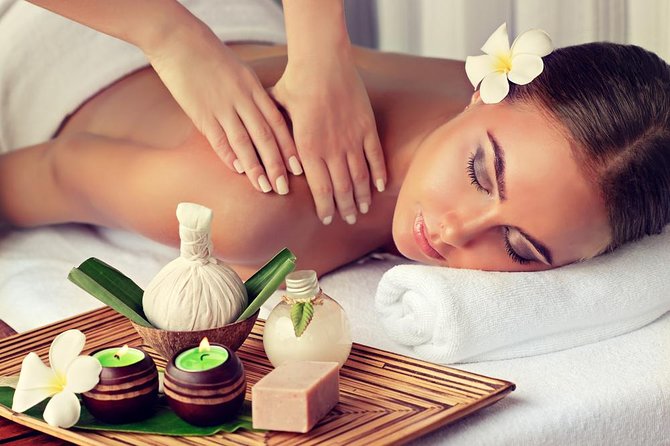
- Punching and clapping technique: expect a rhythmic, more physical feel than most Western massages
- Acupressure pressure points: aimed at reducing pain and stress by working directly on muscle tension
- Botanical essences and clinically proven oils: used during a choreographed, benefit-focused routine
- A custom essential oil blend: an SF blended essential oil created for these customers
- Private by group: only your group participates, so it feels less like a production line
- Ends where you start: easy wrap-up at the same meeting point
Hanoi massage 101: what makes this style different
Vietnamese traditional massage isn’t shy about touch. The core idea is to stimulate blood circulation through techniques like punching and clapping around treatment areas. If you’re used to slow, glide-your-way-to-relaxation massage, this can register as surprising at first.
But here’s the key: the goal isn’t to leave bruised or sore. The method is meant to relieve pain by applying pressure directly on the muscles that feel tight or “stuck.” Think of it like targeted mechanical help—then pressure—then release. Over a single hour, that sequence can feel oddly effective, especially when you’re carrying travel stress.
The session also leans into the idea of acupressure points. The theory (and the promise of the service) is that pressing those points can improve circulation you need to move stress and tension out of your body. Whether you call it “toxins” or “tension,” the practical takeaway is that your body is being actively worked, not merely soothed.
You can also read our reviews of more tours and experiences in Hanoi.
What happens during the 1-hour session (and why it matters)
You’re booked for about 1 hour, and the activity ends back at the meeting point. That means you can treat this like a reset button—something you slot in without losing half a day or needing to build your schedule around a long appointment.
Here’s the rhythm you can expect based on what the service emphasizes:
- A customised treatment start: the massage is described as tailored to your needs, rather than a one-size pattern
- Botanical essences: the session uses botanical ingredients as part of the experience
- Clinically proven oils: oils are part of the plan, not just a scent layer
- A choreographed massage: the routine is designed, so your therapist isn’t freelancing
- Essential oil blend: you’ll use an SF blended essential oil created specifically for customers of this service
Why that matters for your comfort: when a massage is choreographed and focused, you’re less likely to wonder what’s going on. You’ll still feel the physical elements—punching/clapping and direct pressure—but you won’t feel random.
The oil and scent part: botanical essences + a special blend
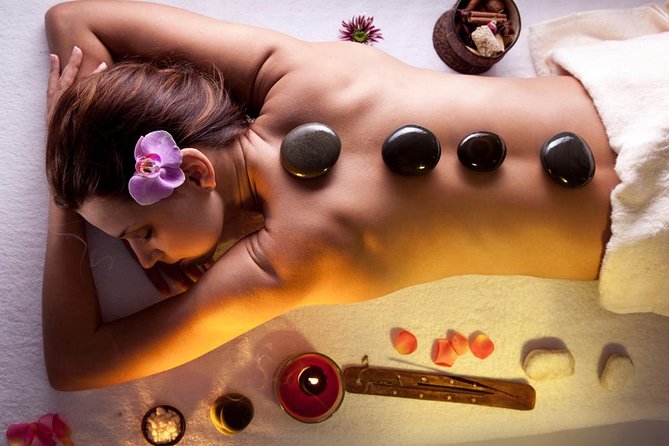
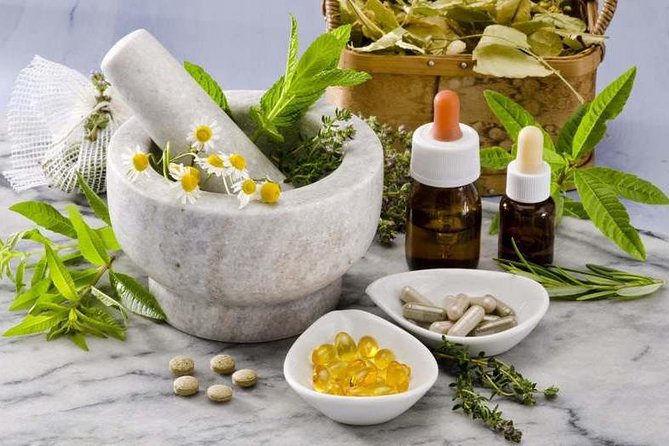
If you’re the type who finds massage oils either relaxing or annoying, this is worth noting. This experience specifically mentions pure botanical essences and “clinically proven oils,” plus an SF blended essential oil made for these customers.
That combination tells me two things you can plan around:
- You’re not just smelling something pleasant; oils are part of the treatment method
- The scent profile may feel consistent across clients, since the blend is created for this service
If you’re sensitive to strong fragrances, it’s smart to say so at the start. The tour info doesn’t mention fragrance-free options, so your best move is to speak up early rather than trying to guess.
The physical technique: how punching and clapping can feel relaxing
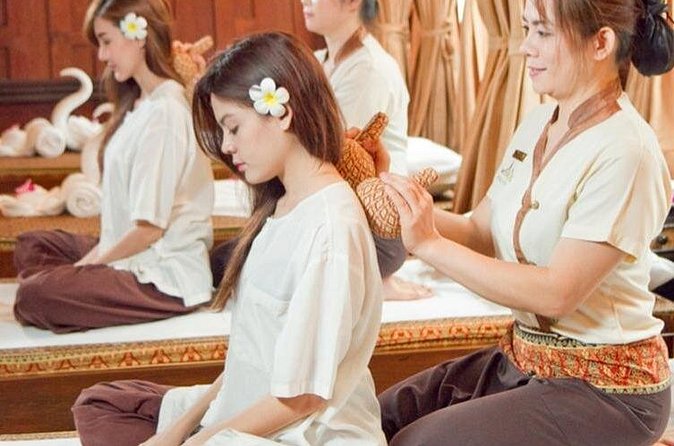
Yes, the technique sounds rough. That’s exactly why it can work. Vietnamese traditional massage uses punching and clapping on treatment areas, plus direct pressure on afflicted muscles. It’s designed to stimulate circulation and relieve pain.
Here’s the part many people miss when reading descriptions: a rhythmic, firm touch can shift muscle tone quickly. Your nervous system notices that something is actively happening, and tension can let go after the first wave of unfamiliar sensation.
Still, you should treat this like a dialogue, not a test. If you feel like the pressure is too much, you can ask for adjustments. The service is described as helping you relax, so your comfort should be part of the process.
Finding the spot in Hanoi: start at 5 P. Hàng Bè
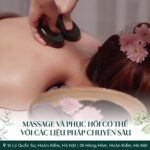
Your meeting point is 5 P. Hàng Bè, Hàng Bạc, Hoàn Kiếm, Hà Nội. The address is in central Hanoi, but it’s not the kind of meeting place where you can casually drift in ten minutes late and hope for the best.
Two practical pointers:
- Give yourself a little buffer to confirm you’re at the exact location on Hàng Bè
- If you’re going on foot, take a moment to re-check the street name and area: Hàng Bạc and Hoàn Kiếm matter
One review mentioned the group had to locate the place before everyone could fully relax, which makes sense. Hanoi addresses can be easy to misread at street level, especially when streets are busy.

Private by group: better flow, less awkwardness
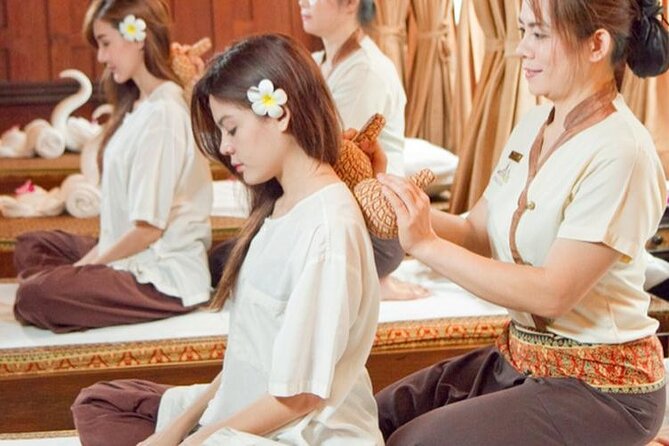
This is listed as a private tour/activity, meaning only your group participates. That’s a big value point because massages often feel awkward when you have to “perform relaxation” in a shared space.
In a private setting, you can generally:
- focus on your session without distractions
- get clearer attention from the therapist
- keep your conversation to what you need, then switch into relax mode
The 1-hour format also keeps the experience from dragging. You’re not stuck for a long time in “half-relaxed” territory.
The tipping consideration: be clear before you start
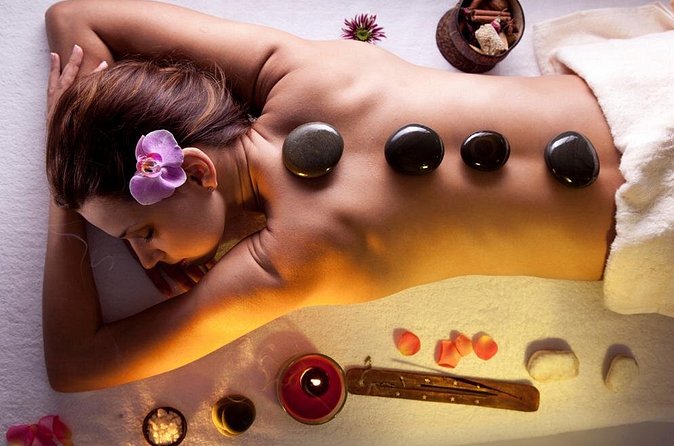
The most useful warning I can give comes from the feedback around tipping. One review described being asked for tips in a way that felt unsettling, especially because the person was used to tipping but wasn’t expecting it in Vietnam.
Here’s how I’d handle this in the real world:
- Ask early how payments work (and whether tips are expected)
- Decide your comfort level before the session starts
- If you plan to tip, keep it modest and intentional
To be fair, one reply to that review indicated the operator is taking feedback seriously and will address the approach with the team. Still, your safest move is to avoid surprises. The massage is meant to relax you; the process shouldn’t feel like a sales pitch.
Is it worth $25 for a 1-hour massage in Hanoi?
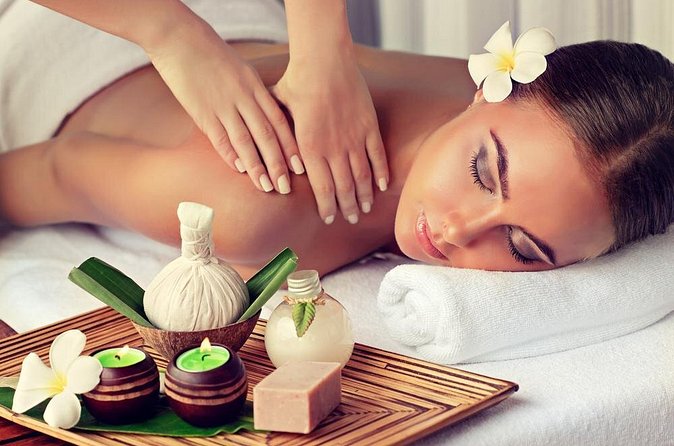
At $25.00 per person for about one hour, you’re paying for a targeted experience, not just a chair-and-chair massage. The service includes botanical essences, clinically proven oils, and an essential oil blend created for customers, plus a customised, choreographed routine.
Here’s how to judge value:
- If you want a quick reset before sightseeing or after a long travel day, the hour length is a plus
- If you’re curious about Vietnamese traditional methods—especially acupressure and that punch/clap technique—this is a clear “do it now” opportunity
- If you only like very gentle massage styles, you may feel this is pricier for what you actually enjoy
For most people in Hanoi who like hands-on bodywork, $25 for a focused session that feels culturally specific can be a solid deal.
Who should book this massage (and who might skip it)
I’d put this massage on your short list if:
- you want something authentic to Vietnam’s bodywork style
- you like firm pressure and rhythmic techniques
- you want a 1-hour reset that won’t derail your schedule
- you prefer a private experience rather than a shared session
I’d be more cautious if:
- you hate any sensation that feels “aggressive,” even if it’s meant to be soothing
- you strongly dislike unknown tipping moments and would rather avoid any awkwardness
- you’re very sensitive to fragrance (since botanical oils are central to the experience)
Also, the tour notes say most travelers can participate, but it doesn’t spell out conditions or restrictions. If you have specific medical concerns, it’s smart to ask beforehand.
Should you book this Vietnamese traditional massage in Hanoi?
If you’re the type of traveler who enjoys doing one slightly unusual, local-feeling thing, I think it’s an easy yes. The standout strengths are clear: a customised massage in a private setting, using botanical essences and an essential-oil blend, plus a technique that’s distinctively Vietnamese rather than generic spa work.
Just go in with the right expectations. This isn’t a whisper-soft lounge massage. It’s physical: punching/clapping, direct pressure, and acupressure points. And do one small bit of homework with your guide or therapist at the start: clarify how tipping works so you can relax instead of calculating.
If that sounds like your kind of travel day, book it and use that hour to reset your body before the rest of Hanoi does its thing.
FAQ
How long is the Vietnamese traditional massage experience?
It’s listed as about 1 hour.
How much does it cost per person?
The price is $25.00 per person.
Where do I meet for the massage?
The start point is 5 P. Hàng Bè, Hàng Bạc, Hoàn Kiếm, Hà Nội, Vietnam. The activity ends back at the meeting point.
Is this a private experience?
Yes. It’s a private tour/activity, so only your group participates.
What type of ticket do I receive?
You get a mobile ticket.
What should I expect from the massage technique?
The massage is described as focusing on stimulating blood circulation using punching and clapping, along with pressure on muscles to help relieve pain and relax. It also includes acupressure point pressure.
What oils or products are used?
The experience description says it uses pure botanical essences, clinically proven oils, and an SF blended essential oil created for these customers.
When will I receive confirmation?
You’ll receive confirmation at the time of booking.
Is free cancellation available?
Yes. You can cancel for a full refund up to 24 hours in advance of the experience. If you cancel less than 24 hours before the start time, the amount paid is not refunded.