REVIEW · OSAKA
Osaka Temple: Japanese Zen Massage with Bamboo stick /120min
Book on GetYourGuide →Operated by Japanese Massage 唯一無二 yuiitsumuni · Bookable on GetYourGuide
That bamboo-stick massage changes you.
This Osaka temple experience pairs full-body oil massage with bamboo stick fascia release, and then slows everything down with a tea ceremony with wagashi. I like the clear, calming flow from foot bath to massage to tea. One consideration: the tea ceremony part may be shared with other guests, so it’s not always fully private.
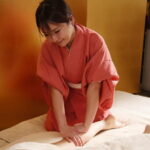
I also really like the small-group feel. It’s limited to 3 participants, and the staff greet you in traditional kimonos, which makes the whole session feel intentionally “temple, not spa.” You’ll walk in, follow the simple flow, and leave with a commemorative photo in a yukata.
Time and value matter here: it’s listed as a 120-minute course (about 2.5 hours total), and the price is $176 per person. If you’re the type who needs lots of downtime to mentally recharge, the pacing can feel nicely structured—but if you want total silence the whole time, the tea segment may include sharing.
In This Review
- Key things to know before you go
- Osaka Temple Zen Massage: what this 120 minutes is really about
- Meeting at the temple gate and getting your bearings
- Foot bath first: a warm reset before the massage
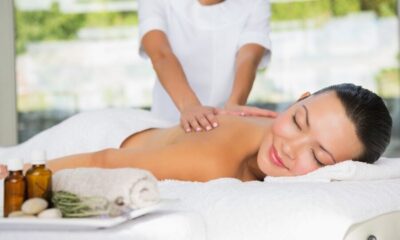
- Oil massage for the whole body: comfort you can feel fast
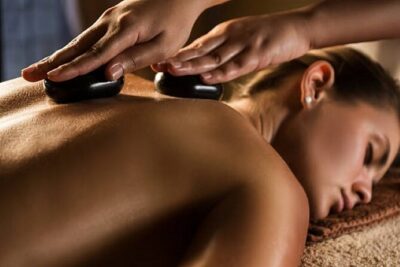
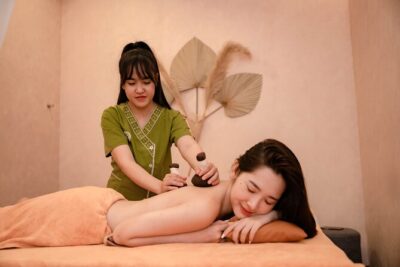
- Bamboo-stick fascia release: tension relief with a clear purpose
- Tea ceremony with wagashi: the mind-set shift after touch
- Yukata and your commemorative photo: how the souvenir actually fits
- Small group of up to 3: comfort without going fully solo
- Price and value: is $176 worth it for a temple program?
- Who should book this Osaka temple Zen massage?
- Should you book this experience?
- FAQ
- How long is the Osaka Temple Japanese Zen Massage course?
- How much does it cost?
- Where do I meet for the experience?
- What’s included in the 120-minute experience?
- Do I get to wear a yukata?
- Is the tea ceremony private?
- How many people are in the group?
- Do I choose the essential oil for the massage?
- Can I cancel for a refund?
Key things to know before you go
- Bamboo stick fascia release focuses on relieving tension, not just relaxation
- Foot bath + essential oil oil massage sets a calm start before deeper work
- Tea ceremony with wagashi adds a cultural reset after the body work
- Yukata + souvenir photo means you leave with more than sore muscles
- Small group (up to 3) keeps the experience personal without going solo
- Tea ceremony may be shared unless you request a fully private setup
Osaka Temple Zen Massage: what this 120 minutes is really about
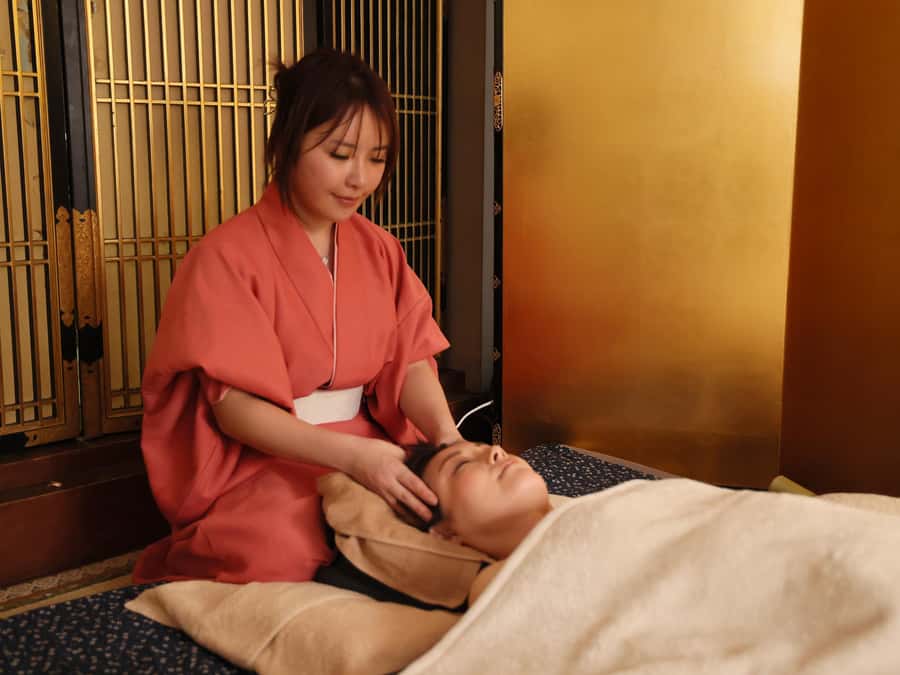
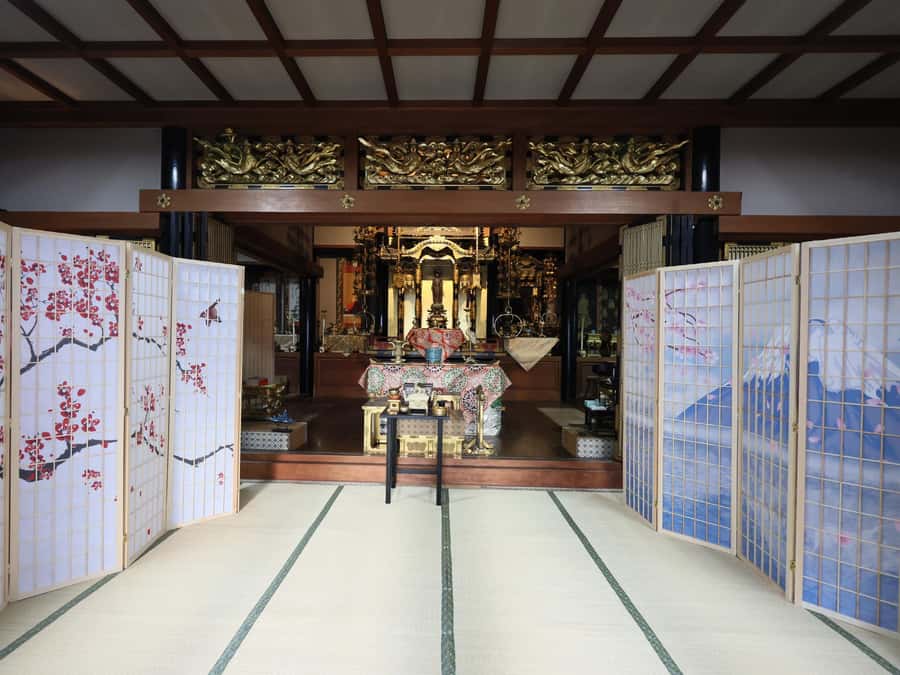
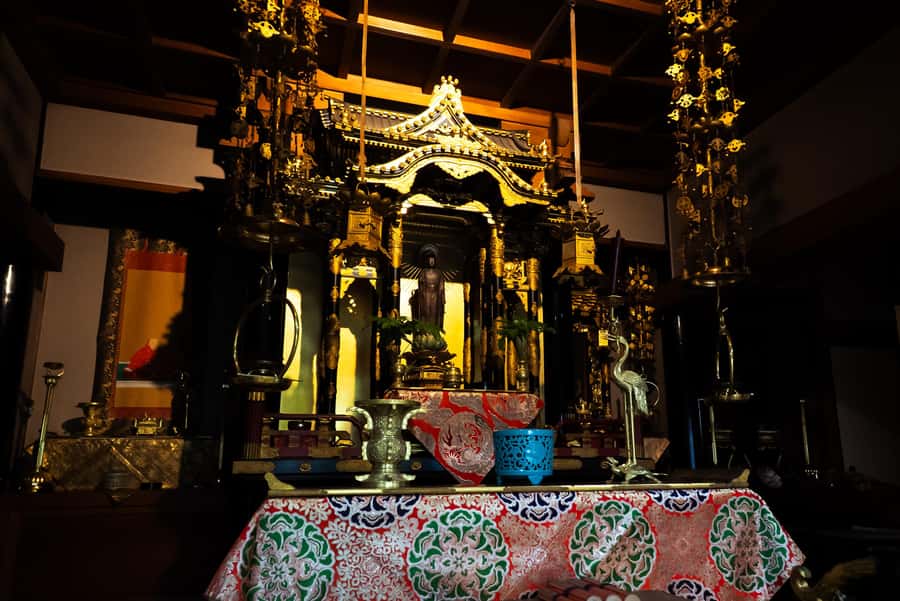
This is a body-and-mind session inside an Osaka temple setting. The shape is simple: you start with a warm, grounding moment (the foot bath), then move into hands-on treatment (oil massage and bamboo stick fascia release), and finish with a traditional tea ceremony plus wagashi. Finally, you switch into yukata for a photo that feels like a small souvenir, not a rushed “tourist moment.”
Why that mix works: the massage targets physical tightness, and the tea ceremony gives your nervous system a reason to settle afterward. You’re not just getting a service; you’re going through a repeatable Japanese ritual order—body first, then mind.
And yes, the bamboo stick part is a real focal point. If you’re curious about fascia release techniques, this is one of the clearest ways to experience it here: you get bamboo stick work specifically included in the program.
You can also read our reviews of more tours and experiences in Osaka.
Meeting at the temple gate and getting your bearings
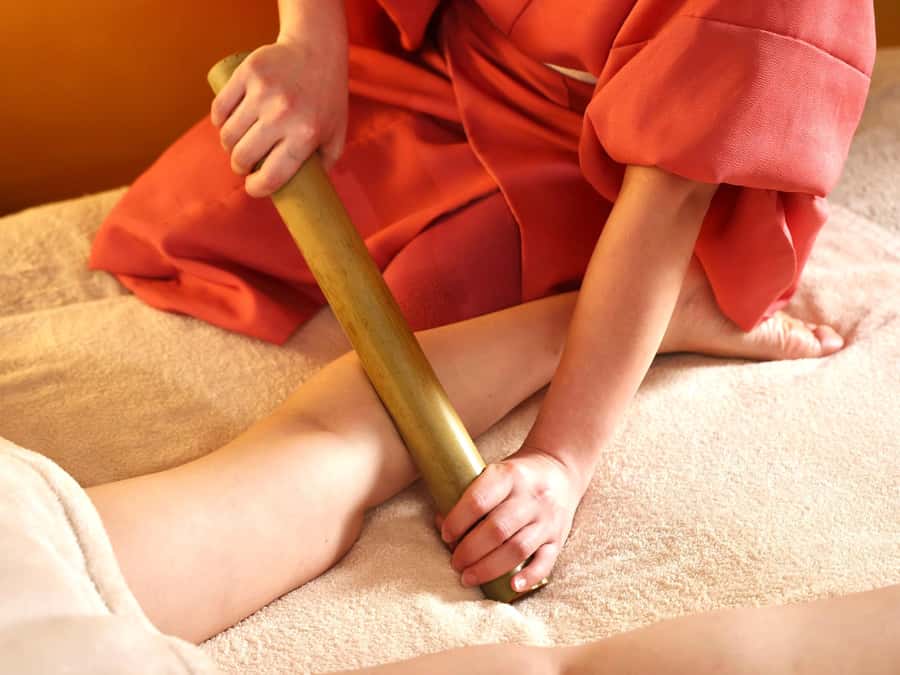
The start is straightforward. Go through the gate, then proceed straight up the stairs. That’s it—no complicated maze described here. You’ll come back to the same meeting point at the end, so you don’t need to worry about figuring out how to exit or where your next stop is.
Plan for a calm arrival pace. Because you’ll change into yukata and follow a set sequence, arriving a little early helps you feel unhurried from the first moment. This is the kind of experience where “rushing in” tends to make you less comfortable during massage prep.
Foot bath first: a warm reset before the massage
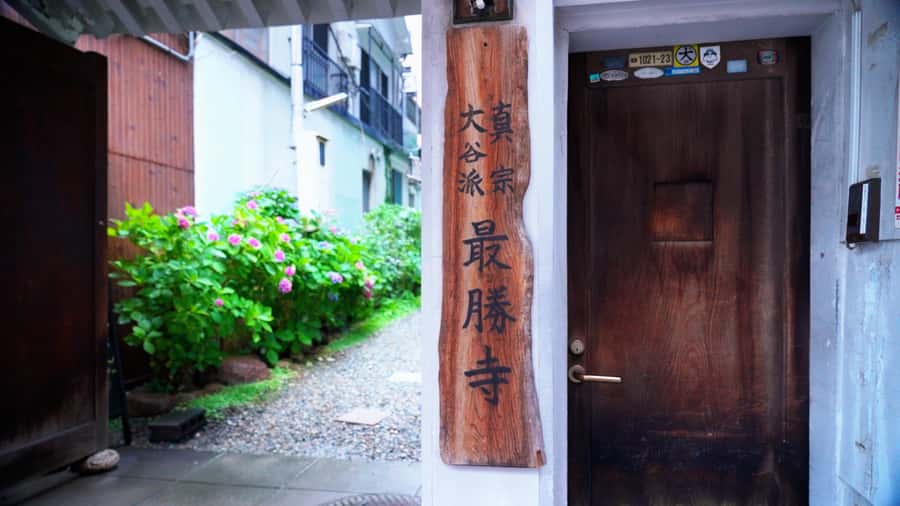
Before the oil work, you’ll do a foot bath. This is more than a cute warm-up. A foot bath helps you slow down your body and transition into rest mode, which matters because the rest of the session involves focused touch and structured movement.
After the foot bath, you move into the oil massage. The program includes full-body oil massage using your favorite essential oil. That’s a practical detail: scent can change your whole comfort level. If you’re sensitive to strong smells, this is your chance to choose something gentle.
Oil massage for the whole body: comfort you can feel fast
The massage portion is full-body oil massage. That means your treatment is not limited to one area, and you should expect an experience that aims for overall relaxation rather than quick shoulder-only relief.
What I like about this part for first-timers: oil massage usually feels more immediately soothing than dry techniques. You’re less likely to feel “caught off guard,” so you can relax into the session before the fascia work later.
One thing to consider: since it’s a temple-style program, the vibe will be more ritual than clinical. If you want lab-level anatomy talk, you might find yourself focusing more on comfort and traditional flow than on detailed biomechanics.
Bamboo-stick fascia release: tension relief with a clear purpose
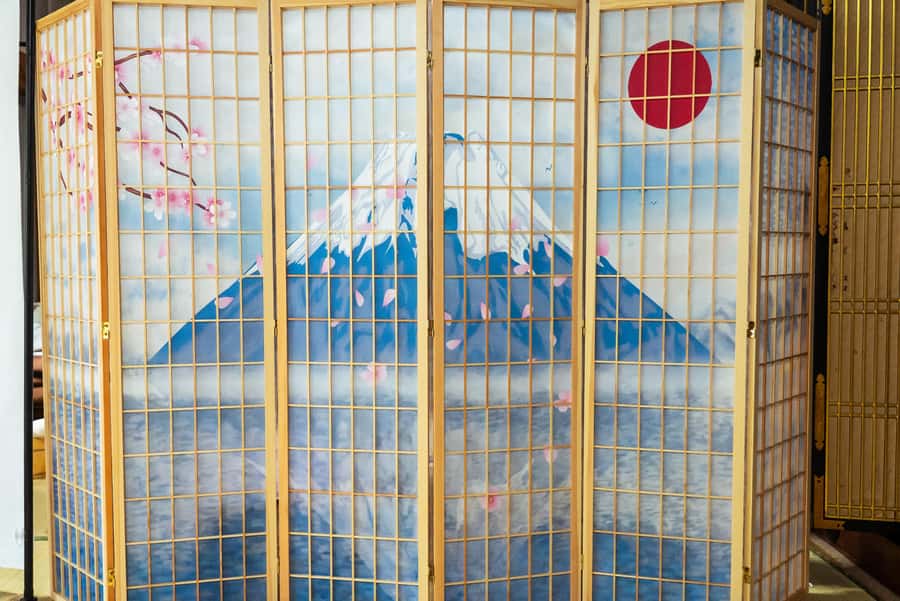
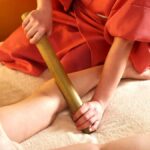
Next comes fascia release with a bamboo stick. This is the signature twist in the experience, and it’s specifically described as helping relieve tension. That wording matters: the goal isn’t just to relax while something happens. It’s aimed at working through the tightness you feel in your body.
How to think about this segment:
- Expect direct, purposeful contact.
- If you hold tension in legs, back, or areas that feel stiff, this is the part you’ll likely notice the most afterward.
- Your comfort level will depend on your body’s sensitivity that day.
If you’re new to fascia release, treat this as “learn the sensation,” not as a test you have to survive. Tell the staff if something feels too intense. The program is designed as individual treatments, but the tea ceremony component may be shared—so the massage itself is the part where communication tends to matter most.
Tea ceremony with wagashi: the mind-set shift after touch
Then it’s tea ceremony time, with wagashi (traditional Japanese sweets). This is one of the most valuable parts if you like experiences that go beyond physical comfort. Massage can help you feel better for the moment, but tea gives you a structured pause to help that relief stick.
A key practical note: the tea ceremony experience may be shared with other guests. If you’re hoping for a perfectly quiet, one-on-one cultural moment, you may want to ask about requesting a completely private experience. The information provided says that if you prefer fully private, you should contact them.
Still, even when shared, the ceremony portion is usually calm and slower paced. It’s a good counterbalance to the more active body work you just did.
Yukata and your commemorative photo: how the souvenir actually fits
Near the end, you’ll have the chance to wear a yukata, and you’ll get a complimentary photo to commemorate the experience. This is simple, but it hits the practical sweet spot. It’s not a long outfit session; it’s a captured memory tied to what you just did.
I’d treat it like part of the story. You’ll have body comfort from the massage, a cultural calm from the tea, and then the photo seals it into something you can look back on later. If you enjoy travel photos but hate feeling like you’re always posing on the move, this is a better match.
Small group of up to 3: comfort without going fully solo
This program is limited to 3 participants, which changes the vibe. It’s still a group setting, but it’s small enough that you’re less likely to feel lost in a crowd.
Who this suits:
- Couples or friends who want a shared but not crowded experience
- Solo travelers who don’t want to sit in silence with no guidance
- First-timers to Japanese temple culture who prefer structure
If you’re the kind of person who wants total privacy the whole time, remember the tea ceremony may be shared. The massage portions are described as individual treatments, but the ceremony portion can overlap depending on scheduling.
Price and value: is $176 worth it for a temple program?
At $176 per person, this is not a “grab and go” massage. But it’s also not just a spa service. You’re paying for a bundle: oil massage, bamboo stick fascia release, foot bath, a tea ceremony with wagashi, and a yukata photo.
Here’s how I’d judge value:
- If you only care about massage, you might find cheaper options in cities like Osaka.
- If you want a single, well-organized experience that mixes body work and Japanese ritual, the price starts to make more sense.
- The small group size and included cultural elements help justify the cost compared with standard massage-only appointments.
My practical take: treat it like a cultural appointment. You’re not just buying relaxation—you’re buying a guided temple-style sequence that ends with a tangible souvenir.
Who should book this Osaka temple Zen massage?
Book it if you want a hands-on experience that includes a traditional tea moment afterward. It’s especially good for:
- Travelers who like wellness that has a cultural “why,” not just a technique
- People with shoulder/back/leg tension who want something more than basic relaxation
- Anyone who wants to add a temple activity to their Osaka plan without making the day complicated
Skip it if:
- You need a completely private, no-sharing experience throughout (the tea ceremony may be shared unless you request private)
- You dislike structured, ritual-like timing and prefer fully open-ended spa sessions
Should you book this experience?
If you’re building an Osaka trip and you want one activity that feels both physical and cultural, I think this is a strong choice. The combination of foot bath, oil massage, bamboo stick fascia release, and a tea ceremony is unusually “complete” for a single session, and the yukata photo makes the memory easier to keep.
My advice: if privacy is your top priority, ask about making the tea ceremony fully private before you lock it in. If you’re okay with a calm shared tea moment, this is exactly the kind of temple experience that turns one afternoon into a clear, memorable reset.
FAQ
How long is the Osaka Temple Japanese Zen Massage course?
The course is listed as 120 minutes, with an overall duration shown as about 2.5 hours.
How much does it cost?
The price is $176 per person.
Where do I meet for the experience?
Go through the gate and proceed straight up the stairs. The activity ends back at the meeting point.
What’s included in the 120-minute experience?
It includes a foot bath experience, full-body oil massage, bamboo stick fascia release, a tea ceremony experience (with wagashi), and a complimentary photo while wearing a yukata.
Do I get to wear a yukata?
Yes. You’ll have the opportunity to wear a yukata, and you’ll receive a complimentary photo as a souvenir.
Is the tea ceremony private?
The tea ceremony experience may be shared with other guests. If you prefer a completely private experience, contact them.
How many people are in the group?
This is a small group limited to 3 participants.
Do I choose the essential oil for the massage?
Yes. The oil massage is described as using your favorite essential oil.
Can I cancel for a refund?
Yes. Free cancellation is available up to 24 hours in advance for a full refund.