REVIEW · OSAKA
ZEN therapy | Shiatsu-style massage, EnergyTherapy & Japanese Tea
Book on Viator →Operated by 水素セラピーMAITRII · Bookable on Viator
A quiet robe, a focused body reset. Zen Therapy in Osaka combines shiatsu-style massage with energy (Ki/Qi) work and ends with matcha and tea sweets. I like the way the session starts with a Zen mindset shift (the samue robe) and then moves into a structured Qi-balancing routine that targets both body and mental calm. A fair caution: this is energy-healing centered, so if you only want standard medical-style treatment, you might feel out of place.
Set in MAITRII, H2 Inhalation Therapy & relaxation near Shin-Osaka, this is also a practical value play for anyone who wants one-hour-plus recovery without hunting across town. I also like that you get a treatment report on your energy status and future advice. Still, it’s sold with big wellness claims, so keep your expectations realistic and treat it as holistic relaxation and recovery support, not a guaranteed cure.
In This Review
- Key Highlights at a Glance
- Zen Therapy in Osaka: What You’re Actually Paying For
- Where It Happens: MAITRII Near Shin-Osaka (and Why That Matters)
- Step One: The Samue Robe and the Built-In Mind Reset
- Qi Balancing Shiatsu-Style Massage: Body Work Plus Energy Work
- A practical consideration
- Crystals and Artificial Quartz: The Techy Part of a Zen Session
- The Matcha and Tea Sweets Ritual: Why the Ending Is Part of the Healing
- Your Treatment Report: Leaving With Advice, Not Just a Vibe
- Choosing the Right Session Length: 30, 60, 90, or 120 Minutes
- Price and Value: Is $57.23 a Good Deal in Osaka?
- Who This Is Best For (and Who Should Skip)
- Simple Planning Tips for Your Appointment
- Should You Book ZEN Therapy in Osaka?
- FAQ
- FAQ
- How long is the Zen Therapy session?
- Where is the meeting point for Zen Therapy?
- Is this tour private or shared?
- What’s included in the experience?
- Do I have to wear the Zen kimono during the session?
- Do they provide a treatment report?
- Is transportation included?
- Can I cancel for a refund?
- What if I’m skeptical about energy healing?
Key Highlights at a Glance
- Samue Zen monk work robe: you change into it before the session, helping you mentally switch gears
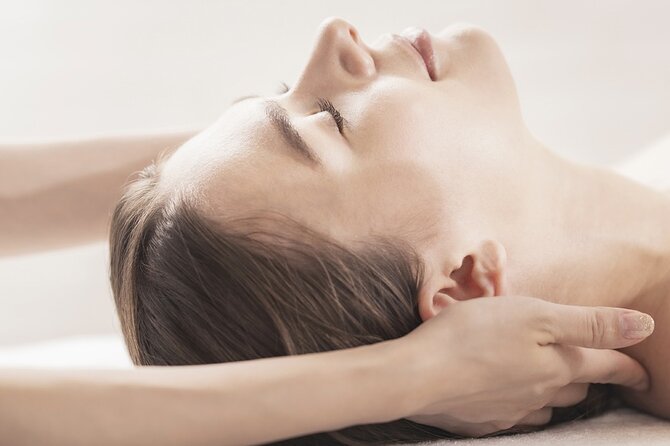
- Qi balancing shiatsu-style massage: hands-on body work paired with energy recharging
- Crystal setup under the bed: high-quality Japanese crystals plus artificial quartz are used to amplify the field
- Matcha and tea sweets tea ritual: you slow down at the end, not right after the massage when you’re still buzzing
- Treatment report: you leave with notes on your energy status and guidance for what to do next
- Pick your session length: options from about 30 to 120 minutes, with longer time for more involved work
Zen Therapy in Osaka: What You’re Actually Paying For

Zen Therapy is essentially a hybrid experience: hands-on shiatsu-style massage plus energy balancing. It’s guided by Zen concepts and uses the language of Qi/Ki circulation—adjusting your natural healing flow by clearing unwanted Qi and recharging what you need.
If you’re hoping for a typical massage where you just lie there and think about your day, this is different. The session is structured like a wellness ritual. You shift into a Zen robe, the therapist guides your body relaxation, energy techniques are part of the treatment, then you finish with tea and a report.
Here’s the honest value angle: the price (listed at $57.23 per person) is not just paying for touch. You’re also paying for the setting, the crystal-and-quartz concept, the tea ritual, the private room setup, and the follow-up advice. For many people, that combo is why the session feels “worth it” rather than just another hour booked.
Also, this experience has a perfect 5/5 rating based on the available feedback, which is a good sign that people feel a strong relaxation and recovery payoff.
You can also read our reviews of more tours and experiences in Osaka.
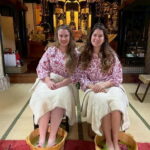
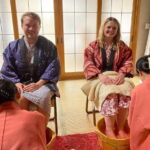
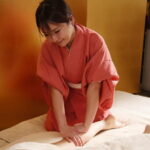
Where It Happens: MAITRII Near Shin-Osaka (and Why That Matters)
The experience starts and ends at MAITRII, H2 Inhalation Therapy & relaxation in the Shin-Osaka Daiichi Building (8F). The exact address given is:
Shi-Osaka-daiichi-bld8F, 5丁目-6-16-6 西中島, 淀川区, 大阪市, 大阪府 532-0011.
Why I care about this detail for your trip planning: Shin-Osaka is a practical base. You can reach it using public transit, and you won’t burn sightseeing time getting to the appointment. Since the tour ends back at the meeting point, you can slot it in between other Osaka plans without guessing your way home.
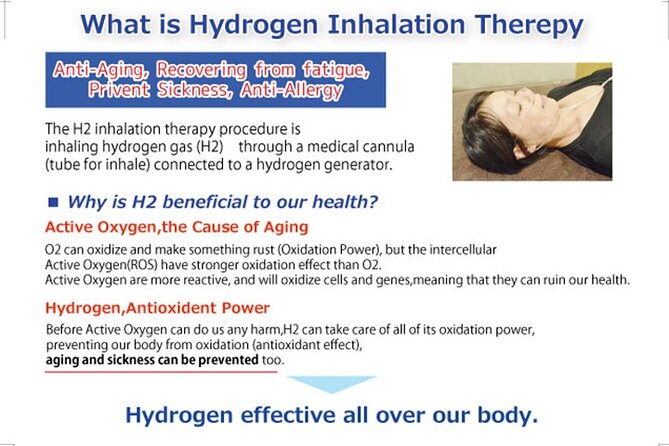
A small note: the location name includes H2 inhalation therapy, but your booking here is described as ZEN Therapy with Qi balancing shiatsu-style massage and the Zen tea ritual. You may notice they offer related wellness services on-site, but your included treatment is what’s listed for your session.
Step One: The Samue Robe and the Built-In Mind Reset
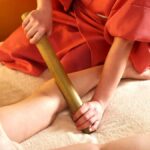
Right at the start, you change into a Zen kimono called samue. This isn’t just costume dressing. The experience is designed to move you from travel mode into a calmer, more mindful state.
Samue matters for two reasons:
1) It signals you’re entering a structured ritual, so your brain settles faster than if you arrive in normal clothes.
2) It connects to the Zen idea of doing work in simple garments—samue is originally worn by Zen monks for work—so the vibe is practical, not museum-like.
If you like small rituals—like changing into a robe before a spa treatment or stepping into a tea room—this part is likely to feel more meaningful than you expect.
There’s also an option to purchase a samue as a souvenir, which can be a fun take-home piece if you want something wearable rather than generic shopping.
Qi Balancing Shiatsu-Style Massage: Body Work Plus Energy Work

The core treatment blends two layers.
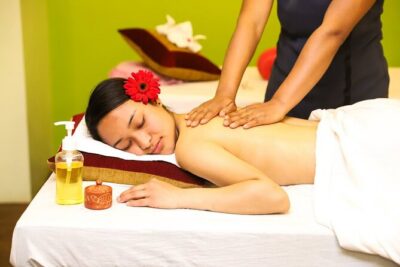
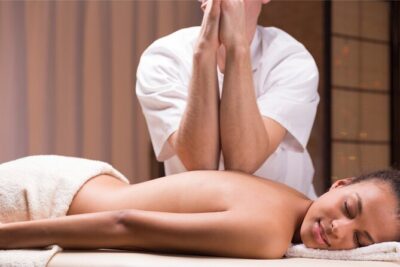
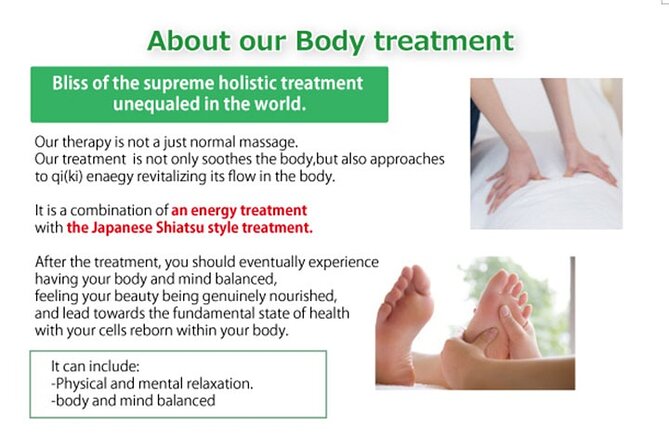
First, you receive body relaxation using a shiatsu-style approach. The therapist works to remove unwanted Qi stored by stress and toxins, then recharge you with needed energetic bioenergy. The goal is not only physical comfort; it’s also mental calm.
Second, the energy medicine side is part of the same session. The description says the therapists detoxify minds and thoughts as well, aiming to leave you calm. You may find this is where skeptics either feel something anyway—or at least appreciate the calm pacing and attention to the body-mind connection.
What that means in real terms for you: you’re not just getting a back rub. The therapist’s work is framed as energy circulation support, so the experience tends to feel slower and more intentional than a quick “get loose” massage.
A practical consideration
If you’re worried about certain body areas feeling too focused or too intense, the guidance given suggests choosing the premium or luxury options. That’s your cue to select the length that matches your comfort level and how much you want worked on.
Crystals and Artificial Quartz: The Techy Part of a Zen Session
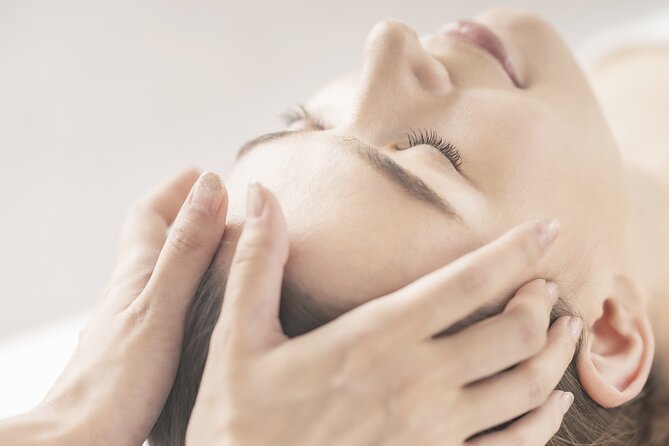
After the hands-on shiatsu-style work, the session uses a bed setup with high-quality Japanese crystals placed under the bed to amplify good energy and regulate the energy field.
It also uses special artificial quartz designed with Japanese technology. The material is described as high-quality and takes several years to complete, and the claim is that the ordered structure amplifies healing energy more ideally than natural quartz with irregular crystals.
Now, you don’t need to be a crystal believer to appreciate the practical effect of this part: it turns the session into a guided environment. Between the crystals, the structured flow, and the calming room focus, your body gets a “this is different” signal.
The respectful way to frame it: treat the crystal-and-quartz component as part of the ritual design. If you get comfort, relaxation, and a sense of mental quiet from that structure, it’s doing its job—even if the physics is not something you’re testing.
The Matcha and Tea Sweets Ritual: Why the Ending Is Part of the Healing
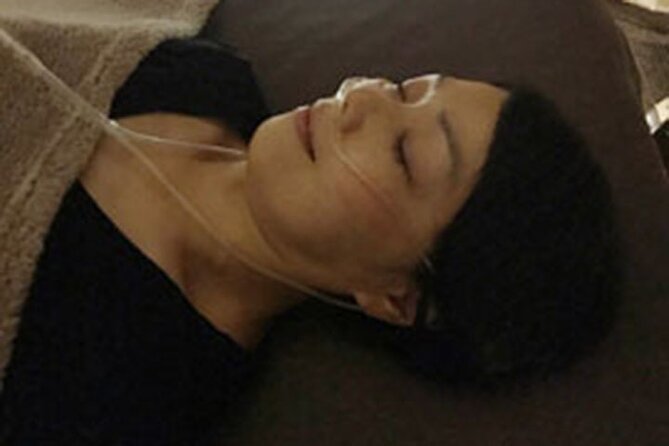
After the main body and energy work, you get matcha and tea sweets. The experience even describes it as like coming out at tea.
This ending matters more than it sounds. Many wellness sessions stop right after the massage when your system is still adjusting. Here, you get a built-in wind-down. It’s a cue for your nervous system: time to slow down.
Also, the ritual ties into Zen. The description notes that sado (Japanese tea) originated from Zen. Whether you’re a tea nerd or just want something soothing, this gives the whole session a consistent theme instead of feeling like random add-ons.
Your Treatment Report: Leaving With Advice, Not Just a Vibe
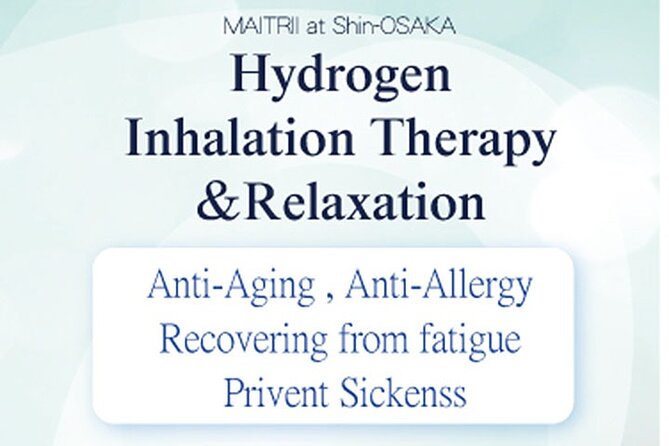
You finish with a treatment report. The therapist describes your energy status and gives advice for the future.
Even if you’re not tracking energy the way an Eastern medicine practitioner might, this is still useful because it turns the appointment into a conversation. It’s a chance to ask questions, reflect on what felt good, and get guidance on what to prioritize next.
This is also part of what drives value. You’re not only paying to sit in a room for an hour—you’re paying to leave with something actionable for your own self-care rhythm.
Choosing the Right Session Length: 30, 60, 90, or 120 Minutes
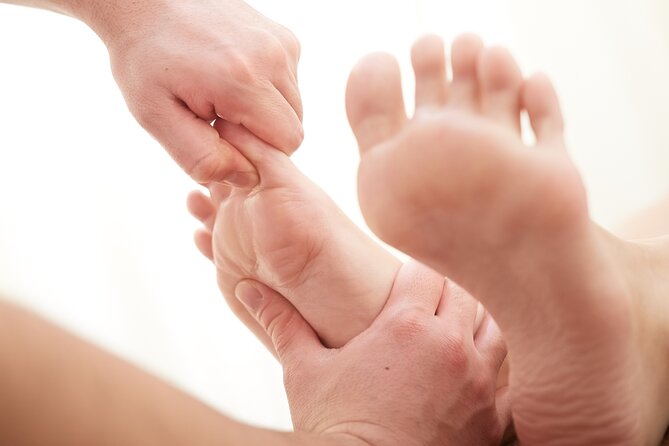
Your booking options are listed as different durations:
- 30 minutes on the Essential News option
- 60 minutes on the after winning the game to refresh option
- 90 minutes on the premium option
- 120 minutes on the luxury forehand option
The names are a bit awkward in translation, but the time options are clear. Here’s how you can choose based on what you want:
- If you’re tight on time and mostly want recovery and relaxation: start with the 30-minute option.
- If you want a fuller reset with more room for the full flow: the 60-minute option is a solid middle.
- If you want deeper work and more of the energy-and-report process: go for 90 minutes.
- If you want the most involved session and you’re not worried about taking up a bigger chunk of your day: the 120-minute luxury option fits.
And remember the guidance about sensitivity: if you’re concerned about certain parts being too elaborate, choose premium or luxury. Since those are longer sessions, the idea seems to be that they can adjust how the work feels, so you’re not stuck with a rough experience.
Price and Value: Is $57.23 a Good Deal in Osaka?
At $57.23 per person, this isn’t a bargain-basement massage. You’re paying for a bundled experience that includes:
- full-body Qi balancing shiatsu-style massage with energy therapy
- crystal-based bed environment and energy field concept
- matcha and tea sweets
- a treatment report
- a private setup with your own therapist reserved for reservations
So the value question is: are you getting more than “touch time”?
For many people, yes, because the experience is not only physical. It’s also mental quiet time and a ritual finish that makes the hour feel longer in a good way. The private aspect also helps. This kind of session works better when you don’t feel rushed or watched by strangers.
One more value tip: if you’re booking late, you might find fewer time slots. The listing notes an average booking window of 19 days in advance, which is a hint to lock in your slot if your Osaka days are fixed.
Who This Is Best For (and Who Should Skip)
This appointment fits best if you want one stop that covers both body recovery and calm mind time. It’s a strong option for:
- fatigue recovery and deep relaxation
- people who like holistic experiences that combine physical touch and mindful ritual
- anyone who wants a private session rather than a crowded massage room
It might be less ideal if:
- you’re only looking for standard clinical treatment and get impatient with energy-based language
- you dislike rituals like changing into robes and ending with tea (even if the tea is delicious, the format may not match your style)
Simple Planning Tips for Your Appointment
A few practical tips so you feel comfortable and ready:
- Arrive with enough time to slow down after. Even when you feel fine, the energy-and-tea rhythm is designed to calm you, and you’ll likely want that effect to last.
- Bring your questions into the treatment report. Ask what felt strongest in your body and what the therapist recommends you do next.
- If you’re choosing between time lengths, decide based on your comfort with intensity and your schedule, not just price. Longer options tend to include more of the full flow.
Should You Book ZEN Therapy in Osaka?
If you want a one-hour-plus wellness ritual that mixes shiatsu-style massage with Qi balancing, crystal-and-quartz environment, tea, and a treatment report, I think this is a smart booking. The perfect rating and the repeated praise for feeling relaxed and rejuvenated make sense given the structure: it’s not just massage, it’s a whole calm loop.
Book it if you like holistic recovery and don’t mind that this is framed as energy healing. Skip it if you need strictly medical-style treatment or prefer no-ceremony relaxation.
FAQ
FAQ
How long is the Zen Therapy session?
The duration is listed as about 1 hour, and there are also different time options available: about 30, 60, 90, and 120 minutes.
Where is the meeting point for Zen Therapy?
The session starts at MAITRII, H2 Inhalation Therapy & relaxation in the Shin-Osaka Daiichi Building, 8F, address: Shi-Osaka-daiichi-bld8F, 5丁目-6-16-6 西中島, 淀川区, 大阪市, 大阪府 532-0011, Japan.
Is this tour private or shared?
It’s described as a private tour/activity. Only your group will participate.
What’s included in the experience?
Included are a full-body Qi balancing massage with shiatsu-style massage using energy therapy, plus the Japanese Zen tea ritual (matcha and tea sweets are part of the described flow). You also change into a Zen kimono called samue and receive a treatment report.
Do I have to wear the Zen kimono during the session?
Yes. You change into a Zen kimono called samue at the start of the treatment.
Do they provide a treatment report?
Yes. Your therapist gives you a report describing your energy status and advice for the future.
Is transportation included?
No. Private transportation is not included.
Can I cancel for a refund?
Yes. Free cancellation is available if you cancel up to 24 hours in advance for a full refund.
What if I’m skeptical about energy healing?
The experience is clearly presented as energy (Ki/Qi) balancing. Some people still find the session helpful even if they don’t already believe in energy healing, largely because the overall routine focuses on relaxation and recovery.
If you want, tell me your travel dates and whether you prefer the 30, 60, 90, or 120-minute option, and I’ll help you pick the best fit for your Osaka schedule.