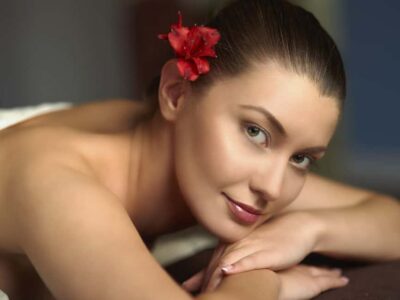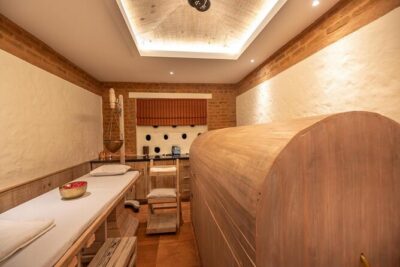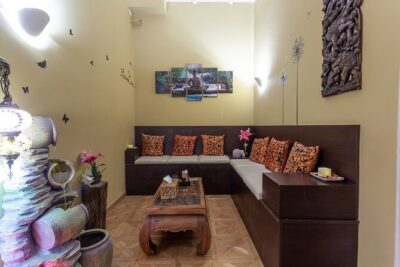
A temple spa is a reset button for your body. This Osaka experience blends a calm traditional temple setting with a full-body oil massage and a nourishing matcha facial, then wraps it up with tea ceremony sweets.
I especially like the step-by-step pacing (it never feels rushed) and the attention to detail, from the foot bath to the head spa finish. The main drawback is the price: it costs more than a regular massage, so you’ll want to plan for a true half-day calm session, not a quick stop.
In This Review
- Key Highlights at a Glance
- A Temple Spa Day in Osaka: What This 180-Min Course Really Gives You
- Walking In: Kimono Welcome, Temple Etiquette, and Your Yukata Photo
- Foot Bath to Full-Body Oil Massage: The Body-First Reset
- Fascia Release With a Bamboo Stick: Deep Tension, Not Just Surface Pressure
- Matcha Facial Pack and Head Spa: Skin Care Meets Stress Relief
- Tea Ceremony With Traditional Sweets: The Cultural Finish You’ll Remember
- Price, Group Size, and Booking Timing: Is $260.61 Good Value?
- Practical Tips for Getting the Most From Your Temple Massage
- Should You Book Zen Japanese Massage at the Temple?
- FAQ
- How long is the Zen Japanese Massage course at the temple?
- What is included in the experience?
- Do I get to wear a yukata?
- What happens during the tea ceremony?
- Is there fascia release in this session?
- Do I choose my essential oil?
- How many people are in the group?
- Where do I meet, and does the tour end nearby?
- Is it easy to get to using public transportation?
- Are service animals allowed, and what is the cancellation policy?
Key Highlights at a Glance
- Yukata moment plus complimentary photo so you leave with something more than sore muscles
- Foot bath first, which makes the oil massage feel more natural and relaxed
- Essential-oil choice you can personalize before the full-body work begins
- Bamboo stick fascia release for deep tension, not just surface muscle rubbing
- Matcha facial pack and head spa that shift the focus from body to face and scalp
- Tea ceremony with traditional sweets as a thoughtful cultural closer
A Temple Spa Day in Osaka: What This 180-Min Course Really Gives You
This isn’t just a massage. It’s a full ritual-style reset built around a traditional Japanese temple setting in Osaka. You start with body comfort (the foot bath), move into release work (oil massage plus fascia release), then finish with face and scalp care (matcha facial pack and head spa). The tea ceremony lands last, tying the whole experience into Japanese culture instead of ending with you just lying there and leaving.
What I like most is the structure. You always know what comes next: relax, release, restore, then slow down again. That pacing matters when you’re on vacation and your brain is still half in train schedules and subway lines.
The experience is also kept small, with a maximum of 3 travelers. That tends to mean less waiting around and more personal attention, especially at transition points like changing into a yukata or settling in for the facial.
Finally, it’s run by Japanese Massage 唯一無二-the one & only- with staff in traditional kimonos. They explain what you’re doing and why, so it feels intentional, not like a generic spa script.
You can also read our reviews of more tours and experiences in Osaka.
Walking In: Kimono Welcome, Temple Etiquette, and Your Yukata Photo
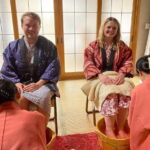
You’ll be greeted by staff dressed in kimonos. They don’t just hand you a robe and point you toward a room. You’ll have a chance to wear a yukata, and they’ll also help you capture the moment with a complimentary photo.
This matters more than it sounds. A temple setting can be quiet and a little rules-based, and the staff give you a quick education on the temple’s history and origins, plus how to worship using guidebooks. Even if you don’t plan to become a temple expert, learning basic manners helps you feel comfortable right away.
The photo piece is another reason this feels like a real experience, not just a service. One review notes they take pictures and small films, so you’re likely to leave with visual memories that fit the atmosphere you’re paying for.
Practical tip: if you’re the type who hates changing clothes in front of other people, don’t worry too much. The process is part of the flow here, so you’re not being thrown into it. Just take your time and ask for help if anything feels unclear.
Foot Bath to Full-Body Oil Massage: The Body-First Reset
The session starts with a soothing foot bath. This is a smart opening. Warm water on your feet is one of the fastest ways to signal rest to your nervous system, especially if you’ve been walking all over Osaka.
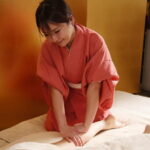
After that, you move into a full-body oil massage. The experience uses your favorite essential oil. That’s an important detail. Oil massage is about more than touch; scent is part of the relaxation loop. If you have a fragrance sensitivity, this is your moment to be honest before you begin.
Then the massage targets release and tension through steady work. Reviews highlight how relaxing and worth it the experience felt, especially when the environment stays calm and quiet. That combination is what makes the massage feel less like a workout and more like recovery.
What you should expect in terms of comfort: you’re there to unwind, so you’ll want to mentally switch from sightseeing pace to slow breath. If you’re tense in your shoulders or lower back from travel bags and train stairs, this is where you start getting relief.
Fascia Release With a Bamboo Stick: Deep Tension, Not Just Surface Pressure
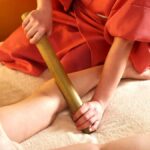
One of the signature steps is fascia release using a bamboo stick. This is where the experience goes beyond basic massage. Fascia is connective tissue that can hold onto tightness from everyday posture, long flights, and constant walking. With bamboo-stick technique, the goal is to ease deep tightness rather than just loosen the top layer.
You might notice more pressure or a more targeted sensation here than in the oil-only portion. That doesn’t automatically mean it’s painful, but it can feel stronger or more specific, especially around areas that have been stubbornly tense during your trip.
Who should pay attention: if you’re very sore already, have recent injuries, or generally prefer gentler touch, take cues from the staff and communicate your comfort level. The experience is designed for relaxation, but the fascia-release element is inherently more focused than a casual rubdown.
A big value point here is the sequence. Doing fascia release after the warm foot bath and before the head spa makes the work feel logical: you’re clearing the body first, then moving upward once you’ve reset.
Matcha Facial Pack and Head Spa: Skin Care Meets Stress Relief
Next comes face care, built around matcha. You’ll enjoy a facial treatment using high-quality matcha to nourish your skin. This isn’t just a gimmick. Matcha is part of a broader Japanese culture theme in the day, and the facial pack step gives you a change of pace from body relaxation to facial renewal.
Then the session finishes with a head spa. This is another great travel fix. Your scalp and neck area tend to absorb stress and stiffness, especially after long train rides and hours spent staring down maps and phone screens. A head spa can feel like the final switch that turns your mind quiet.
In reviews, people strongly praised the full combination—massage, facial, and the head spa—calling it relaxing and professional in a calm environment. That’s consistent with how the itinerary is built: you’re not left with only one service. You get a layered reset that targets different parts of you.
If you’re unsure whether a matcha facial will work for you, keep it simple: you’re there for a soothing skin treatment, and the matcha theme also means you’re likely to experience some learning and cultural context around matcha as part of the day. One review mentioned learning about matcha and matcha making, which suggests you’ll get more than passive treatment.
Tea Ceremony With Traditional Sweets: The Cultural Finish You’ll Remember
The last step is a tea ceremony with traditional Japanese sweets. This is where the experience shifts from physical care to cultural slowdown.
I like tea ceremonies because they force you to slow down at the end of a service. Your body is already relaxed, so you can actually participate instead of rushing through it like another tourist stop. The sweets also make it feel like a complete experience, not a quick sip and a goodbye.
This also answers a common vacation question: what makes a spa day feel like Japan instead of just another spa? For this one, the tea ceremony gives you that answer in a clear, structured way.
One more plus: because the staff explain temple history and worship basics earlier, the tea ceremony doesn’t feel random. It feels like the day’s theme continues—quiet, respectful, and paced.
Price, Group Size, and Booking Timing: Is $260.61 Good Value?
At $260.61 per person, this isn’t budget. But it’s also not just a single massage service. You’re paying for a full sequence: foot bath, full-body oil massage, fascia release with a bamboo stick, matcha facial pack, head spa, yukata photo, plus a tea ceremony with sweets.
Value comes from two places:
1) Time and range of services. You’re not cobbling together separate appointments across town. You’re getting an integrated day in one package.
2) Small group size. Maximum of 3 travelers helps with flow and reduces waiting. Less waiting usually means more relaxation.
Also, the experience runs on a mobile ticket, which is convenient when you’re juggling transit and daily plans. And on average, it’s booked about 49 days in advance, which suggests demand. If you’re traveling in a busy season or have a specific day in mind, booking early is the smart move.
If you want a quick compromise: treat this as a splurge day. Use it after a few intense sightseeing days when your body is already asking for mercy.
Practical Tips for Getting the Most From Your Temple Massage
Here’s how to make this day feel smooth instead of complicated.
- Give your essential oil preference early. If you have favorites or sensitivities, tell the staff before the oil massage starts. Since the experience uses your favorite essential oil, it’s worth taking that choice seriously.
- Go in with a relaxed schedule. Even though the course is described as a 180-min program, the overall experience runs around 3.5 hours. Build buffer time before and after so you’re not rushing out.
- Be ready for a change of clothes. You’ll have the opportunity to wear a yukata. If you’ve never worn one, it’s normal to feel awkward for about two minutes. Staff help you through the process.
- Bring your curiosity for matcha. One review highlighted learning about matcha and enjoying matcha making. Even if you’re not a tea nerd, expect a cultural component, not just skincare.
- Let the fascia release do its job. If you’re trying to avoid stronger pressure, say so. But if you’re feeling tight, this is often the step that delivers the biggest difference.
- Save your photos. With a complimentary photo (and possibly small films), you’ll have memories that match the temple atmosphere. If you’re picky about photo angles, just tell staff and they’ll help.
Finally, note the meeting point is a specific Osaka location (Tossa de coracao 1-chōme-6-19 Kitahorie, Nishi Ward, Osaka, 550-0014). The activity ends back there, so plan your return with no surprises.
Should You Book Zen Japanese Massage at the Temple?
Book it if you want a spa day that feels like Japan, not like a generic beauty appointment. This works especially well if you’re craving a calm reset after walking Osaka all day and you like the idea of mixing massage + matcha + tea ceremony in one smooth flow. The small group size and the strong focus on relaxation show up clearly in how people describe the experience.
Skip or reconsider if you’re looking for the cheapest option or if you only want a quick session. This is a full, paced ritual that takes a chunk of your afternoon. Also, the bamboo-stick fascia release is more targeted than a simple massage, so if you prefer very gentle touch, communicate your comfort level.
If you’re on the fence, here’s my practical take: pay attention to whether your schedule can afford a slow, quiet half-day. If yes, this is exactly the kind of booking that makes a trip feel human again.
FAQ
How long is the Zen Japanese Massage course at the temple?
The course is described as an 180-minute experience, and the overall activity is listed at about 3 hours 30 minutes.
What is included in the experience?
You can expect a welcoming moment in traditional kimonos, the chance to wear a yukata and receive a complimentary photo, a foot bath, a full-body oil massage with your chosen essential oil, fascia release with a bamboo stick, a matcha facial pack, a head spa, and a tea ceremony with traditional sweets.
Do I get to wear a yukata?
Yes. You’ll have the opportunity to wear a yukata, and staff provide a complimentary photo to capture the moment.
What happens during the tea ceremony?
You’ll take part in a traditional tea ceremony and enjoy traditional Japanese sweets as part of the experience.
Is there fascia release in this session?
Yes. The experience includes fascia release using a bamboo stick after the full-body oil massage.
Do I choose my essential oil?
Yes. The full-body oil massage uses your favorite essential oil.
How many people are in the group?
This activity has a maximum of 3 travelers.
Where do I meet, and does the tour end nearby?
You start at Tossa de coracao 1-chōme-6-19 Kitahorie, Nishi Ward, Osaka, 550-0014, Japan and the experience ends back at the meeting point.
Is it easy to get to using public transportation?
The meeting area is listed as near public transportation.
Are service animals allowed, and what is the cancellation policy?
Service animals are allowed. The experience offers free cancellation, and you can cancel up to 24 hours in advance for a full refund. If you cancel less than 24 hours before the start time, the amount you paid won’t be refunded.