REVIEW · OSAKA
Osaka Temple :Warm Bamboo Oil Massage – Deep Restore〈90min〉
Book on GetYourGuide →Operated by japanese massage 唯一無二 -the one&only- · Bookable on GetYourGuide
Quiet temples make massage feel sacred. This Osaka experience pairs a warm bamboo oil massage with myofascial-style release, then slows you down with Zen practices and guided temple moments. My favorite part is how the matcha tea ceremony lands right after the body work, turning relaxation into something you can actually feel and remember.
I also like the tone of the whole session: it’s calm, structured, and personal enough that the staff can guide you through each step without rushing. When Arisa guided my group, the pace and attention felt steady, like you were being looked after, not processed.
One thing to consider: the Zen meditation may be shared with other guests unless you request a private experience.
In This Review
- Key highlights you’ll care about
- Why warm bamboo oil massage feels different in a temple
- Your yukata welcome and temple incense steps (Osaka, but with real manners)
- A practical note on finding the place
- Zen meditation with bell and kneaded incense: what it’s really for
- Foot bath, scrub massage, then the deep restore sequence
- Foot bath and scrub: not just a warm-up
- Warm bamboo + hand oil massage (90 minutes)
- The matcha tea ceremony: why it’s more than a snack
- Small group, bilingual guidance, and what that means for you
- Price and value: what $129 actually includes
- Who should book this Osaka temple massage (and who might skip it)
- Should you book this experience?
- FAQ
- How long is the warm bamboo oil massage experience?
- What’s included besides the massage?
- Is this a private experience?
- What languages are offered?
- Where should I set my Google Maps search for the meeting point?
- What’s the cancellation and payment policy?
Key highlights you’ll care about
- Warm bamboo + hand oil massage for deep restore (90 minutes) that focuses on how your body feels, not just pressure
- Zen meditation with bell and kneaded incense in a serene temple setting in Osaka
- Yukata welcome, incense offering, and prayer that make the temple visit feel respectful and easy
- Foot bath, scrub massage, then full-body aroma massage for a full reset cycle
- Matcha tea ceremony with Japanese sweets and explanations so you know what you’re doing
- Commemorative smartphone photos included, so you don’t have to rely on blurry selfie attempts
Why warm bamboo oil massage feels different in a temple
If you’ve had massages in big spas, you know the drill: come in, lie down, get worked on, leave. Here, the massage is only one part of the ritual, and that changes how it lands in your body.
The warm bamboo oil massage is designed to feel both soothing and targeted. The bamboo element matters because it adds a different rhythm and contact than fingers alone. Instead of just working tight spots from one angle, the therapist moves in a way meant to encourage a smoother “release” feeling. That’s why people leave describing calm afterwards, even when their schedule has been packed.
Another reason this works: you start and end in a slower mindset. You don’t just sit down for treatment; you move through temple steps first—incense, prayer, and guided meditation—so your nervous system has time to settle. If you tend to carry stress in your shoulders and upper back, that pre-calm helps the massage do more than distract you.
The other strong pull is the matcha portion. The tea ceremony isn’t stuck on as a cute add-on. It gives you a mental landing spot after the massage, with explanations that help you understand what you’re tasting and why the routine matters.
You can also read our reviews of more tours and experiences in Osaka.
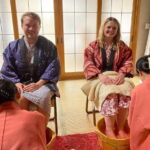
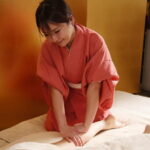
Your yukata welcome and temple incense steps (Osaka, but with real manners)
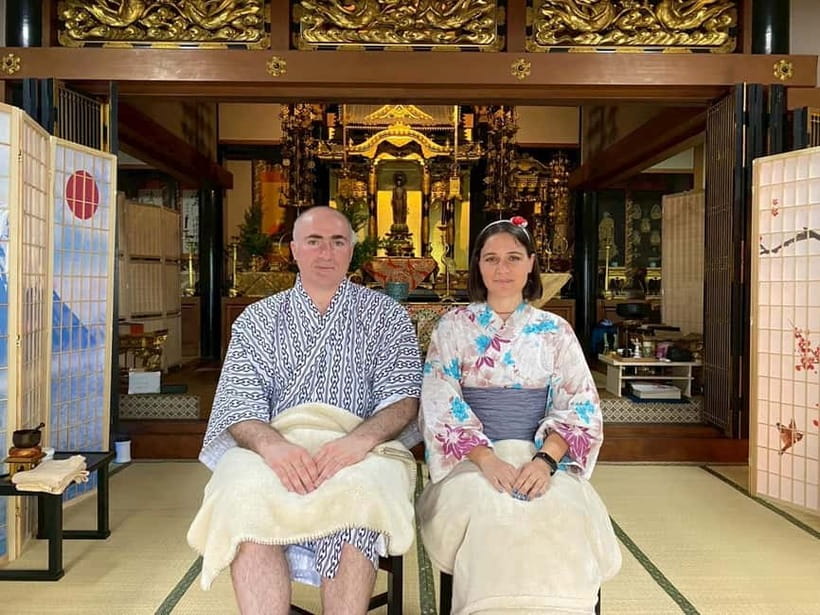
You’ll meet up, then get a welcome drink and change into a simple yukata. This part sounds basic until you do it, because wearing a yukata changes your posture. Your movements get slower. Your shoulders relax. You’re also stepping into a context where the rules are gentler—walk carefully, use quiet tones, and follow instructions.
Then comes the temple visit with incense offering. You’re not dropped into a random building and told to figure it out. You’ll get an introduction to the temple’s history and Japanese worship culture, which makes incense feel less like a tourist photo prop and more like a shared practice.
They also include prayer and the incense experience, plus a guided focus. That matters if you worry about doing the wrong thing. With this format, you can concentrate on learning the meaning of what you’re doing rather than guessing the ritual.
A practical note on finding the place
Use Google Maps exactly as instructed: search for Japanese Massage -the one&only-. If you search using the temple’s name, you can end up at the back entrance and lose time. If you’re stuck, look for the restaurant Tossa de coracao—this meeting point sits right next to it.
Zen meditation with bell and kneaded incense: what it’s really for
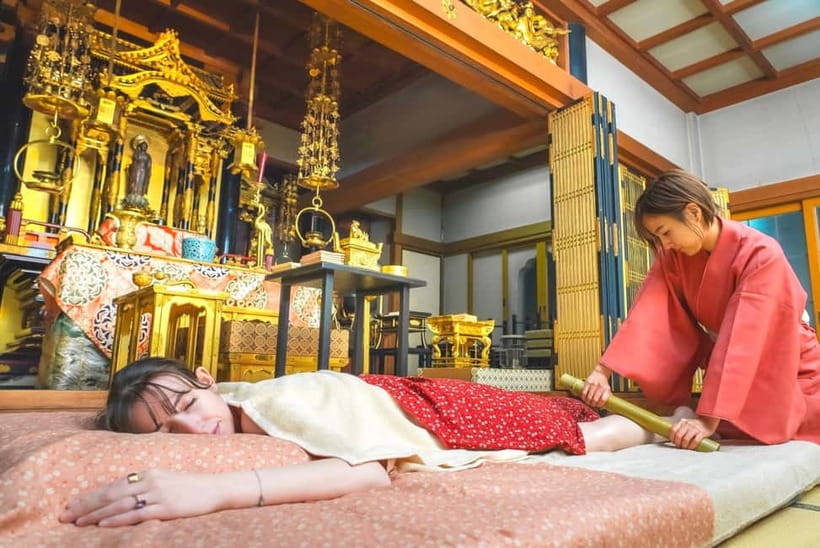
After incense offering comes meditation. You’ll do Zen meditation with a bell and kneaded incense, guided in a way that keeps it accessible. This isn’t about becoming a monk for an hour. It’s about changing your pace so the body work can be more effective.
Think of the meditation as a reset switch. The bell gives a clear start and end point, so your mind has something concrete to follow. The kneaded incense adds a sensory anchor—smell helps your brain stop jumping between plans, maps, and to-do lists.
One practical consideration: Zen meditation may be shared with other guests unless you request a private experience. If you’re the type who needs full quiet, plan on it being a group moment rather than a private whisper-only zone.
That said, the overall tone is calm. Even when it’s shared, the setting is temple-silent in feel, and that still helps you slow down.
Foot bath, scrub massage, then the deep restore sequence
Once the meditation and incense are done, your body work starts in a smart order: foot bath, scrub massage, then warm bamboo and hand oil massage.
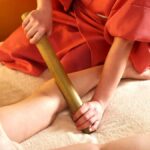
Foot bath and scrub: not just a warm-up
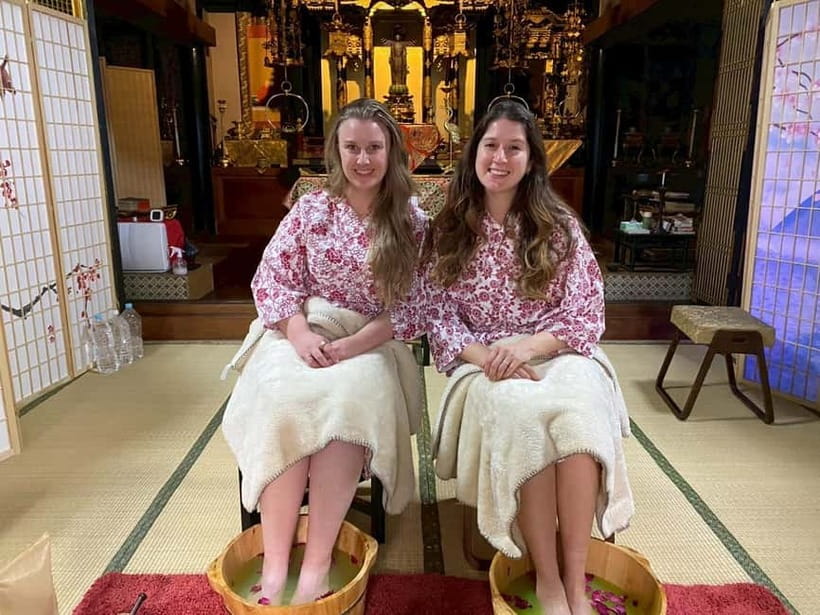
The foot bath sounds like convenience, but it’s actually part of how the session flows. It softens your body before any pressure. Then the scrub massage adds a “clean start” feeling, like you’re preparing skin and muscles for the oil and deeper contact later.
If you’ve spent days walking around Osaka, your feet carry a lot of the trip. This is one of those small choices that makes the whole 90-minute massage more comfortable from the beginning.
Warm bamboo + hand oil massage (90 minutes)
The 90 minutes of warm bamboo and hand oil massage is the centerpiece. The goal is a deep restore effect—comfort first, but with enough work that you feel it the next day rather than only during the massage.
In a typical massage, you might focus on pain points. Here, the myofascial-style approach is meant to encourage release in a broader way, not just one sore spot. If you like massage that feels both relaxing and structured, this tends to hit the sweet spot.
Also, because you’re in a temple setting and wearing yukata, you aren’t thinking about “getting your money’s worth.” You’re just in the moment, which helps the therapist focus on slow, steady technique.
The matcha tea ceremony: why it’s more than a snack
After the massage, you’ll do a traditional Japanese tea ceremony with cultural and historical explanation. You’ll also enjoy original Japanese sweets and a matcha experience, so you get the full flavor-and-ritual package.
What I like about this part is the guidance. The explanations help you understand what you’re tasting and why the ceremony follows a certain rhythm. Instead of just drinking matcha, you learn how to notice texture, aroma, and preparation style.
And the timing matters. Having tea after massage gives you a “cool down” period where your body settles into its new state. It’s a simple trick: if you stand up and walk away immediately, you lose that integration time. With tea, you stay seated, calm, and present.
The sweets also do their job. They keep things comfortable and let you enjoy the experience rather than treating tea like a chore.
Small group, bilingual guidance, and what that means for you
This experience is a small group limited to 3 participants. That scale makes a difference. In larger groups, you often wait your turn, get rushed, or struggle with questions. Here, you can ask what you want to understand, and the instructor can adjust pacing.
The session is guided by English and Japanese support, which is helpful if you want clarity during temple rituals and the tea explanation. And the staff attention shows up repeatedly in the way people describe the experience: welcoming, gentle, and clearly focused on your comfort.
In particular, Arisa’s guidance was highlighted for her talent as a masseuse, and that kind of consistency matters. You want someone skilled enough to make the massage feel like it has intention—not just pressure.
Price and value: what $129 actually includes
At $129 per person for about 2 hours, this is not a budget impulse buy. You’re paying for more than a massage.
You get:
- a 90-minute warm bamboo oil massage plus foot bath and scrub massage
- temple time that includes incense offering and a guided intro to worship culture
- Zen meditation with bell and kneaded incense
- a full matcha tea ceremony with cultural/historical explanation and sweets
- yukata welcome
- complimentary smartphone photos you can take home
- photo moment in yukata for a keepsake
So the value isn’t only in the body work. It’s in the combination of guided cultural rituals and relaxation, all done in a small group format. If you’re traveling with limited time in Osaka and want one experience that ties together body, mind, and local tradition, this package makes sense.
Who should book this Osaka temple massage (and who might skip it)
Book it if you want:
- a massage that feels more “ritual” than spa appointment
- a calm temple setting with guided steps you don’t have to guess
- matcha and tea ceremony explanations, not just a tasting
- a small group with bilingual support
- photo keepsakes without extra planning
You might skip it if:
- you need full privacy during meditation (it may be shared unless you request private)
- you only want a massage and don’t care about temple and tea culture
- you’re short on time and can’t comfortably do the full ~2 hours without feeling rushed
Should you book this experience?
I’d book it if you’re the type who enjoys calm structure—something guided, respectful, and quietly memorable. The highest-rated parts of this experience are easy to understand: the warm bamboo massage feels genuinely relaxing, the tea ceremony is actually informative (not just ceremonial), and the temple setting makes everything slower in the best way.
If you’re nervous about temple etiquette, the included incense/prayer introduction is a huge comfort. If you’re craving stress relief, the flow from meditation to deep restore massage gives your body time to shift.
Just remember the one caution: meditation can be shared. If that would bother you, ask for a private option when reserving.
FAQ
How long is the warm bamboo oil massage experience?
The experience runs for about 2 hours, and the massage component is 90 minutes.
What’s included besides the massage?
You’ll include a welcome drink and change into a yukata, a temple visit with incense offering and an introduction to temple history and worship culture, Zen meditation with bell and kneaded incense, foot bath and scrub massage, warm bamboo and hand oil massage, and a traditional Japanese tea ceremony with matcha experience and Japanese sweets. You also get commemorative smartphone photos.
Is this a private experience?
It’s a small group limited to 3 participants. Zen meditation may be shared with other guests unless a private experience is requested.
What languages are offered?
The instructor provides English and Japanese.
Where should I set my Google Maps search for the meeting point?
Search for Japanese Massage -the one&only-. If you can’t find it, search for the restaurant Tossa de coracao; the meeting point is right next to it.
What’s the cancellation and payment policy?
You can cancel up to 24 hours in advance for a full refund. You can also reserve now and pay later to keep plans flexible.