REVIEW · OSAKA
Osaka Temple :Warm Bamboo Oil Massage – Deep Restore〈60min〉
Book on GetYourGuide →Operated by japanese massage 唯一無二 -the one&only- · Bookable on GetYourGuide
A bamboo massage in a temple sounds unlikely, then it works. In Osaka, you’ll get a warm bamboo & oil hand massage and bamboo-stick fascia release inside a traditional setting that feels calm the second you step in. I especially like the focused way this treatment targets travel-tight muscles, and the gentle temple touch with an incense offering. One possible drawback: the optional matcha experience and yukata rental are not included, so you’ll want to plan those separately if you want the full add-on day.
This is the kind of wellness stop that fits real travel life. One hour is long enough to feel looser, but short enough to still enjoy the rest of Osaka the same day. Plus, you get complimentary smartphone photos of your temple moment, so you’re not stuck taking blurry selfies while you’re trying to relax.
Logistics are straightforward, but the meeting point needs care. Use Google Maps for Japanese Massage -the one&only-, or search the nearby restaurant Tossa de coracao if you get lost at the temple side entrances.
In This Review
- Key things to know before you book
- Where the massage actually happens: Osaka temple calm
- The treatment, step by step: warm bamboo and oil for travel stiffness
- The temple moment: incense offering and a cultural wellness rhythm
- The tea element: what’s included vs what you might add
- Price and value: is $96 for 60 minutes worth it?
- Who this is perfect for (and who should reconsider)
- Booking and meeting point tips that save time
- What to request during your massage
- A note on the overall experience flow
- Should you book Warm Bamboo Oil Massage in an Osaka temple?
- FAQ
- How long is the warm bamboo oil massage?
- Where is the activity located?
- What is included in the 60-minute package?
- What happens during the temple part of the experience?
- Is matcha included?
- Is a yukata rental included?
- Is the experience private?
- What group size should I expect?
- What languages are available?
- What is the cancellation and payment flexibility?
Key things to know before you book
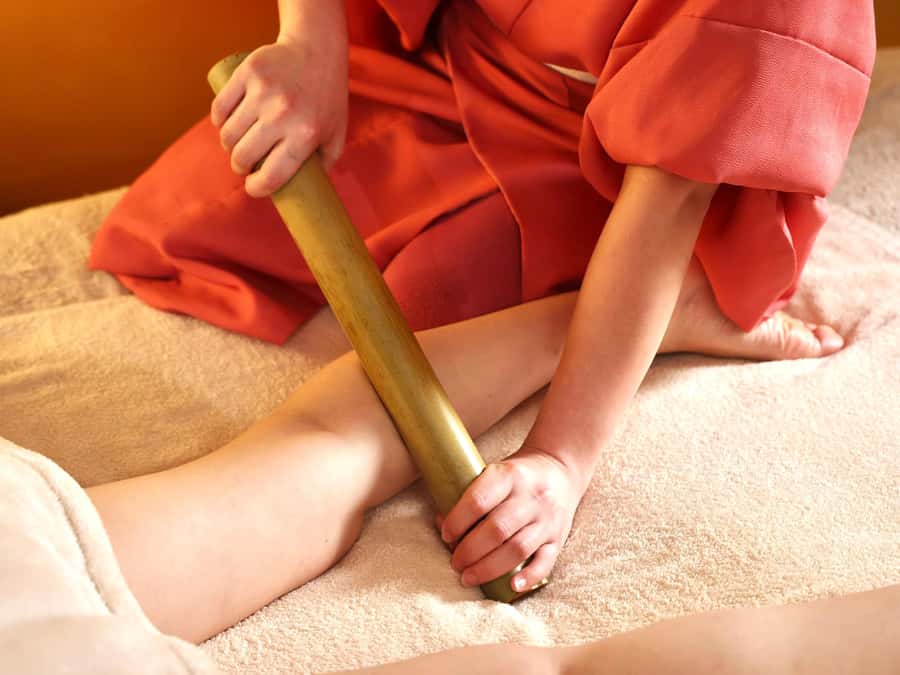
- Warm heated bamboo tools paired with soothing oils to help loosen deep tension fast
- Bamboo-stick fascia release aimed at those tight tendons and stiff travel areas
- Temple visit with incense offering, so this is more than a treatment room
- Small group size (max 3) means you get attention without feeling crowded
- Complimentary smartphone photos for a simple, useful keepsake
- Tea ceremony may be shared, so complete privacy may require a quick message
Where the massage actually happens: Osaka temple calm
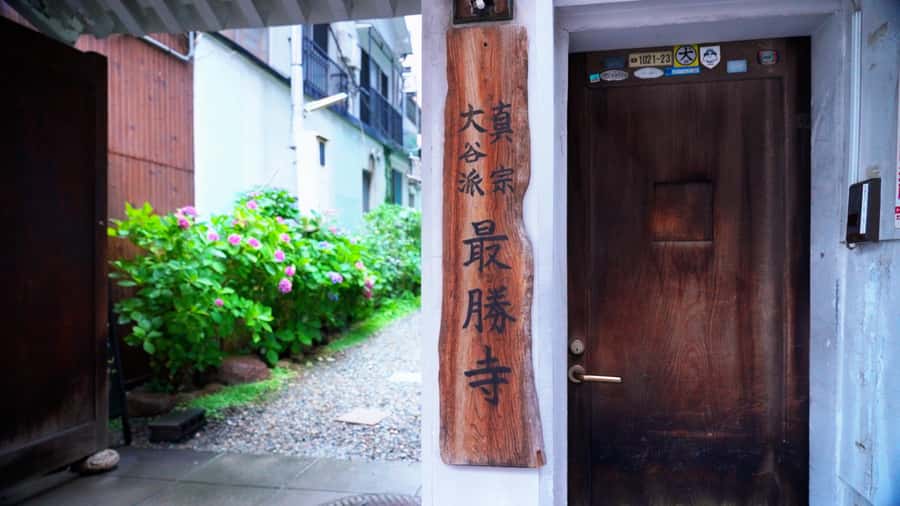
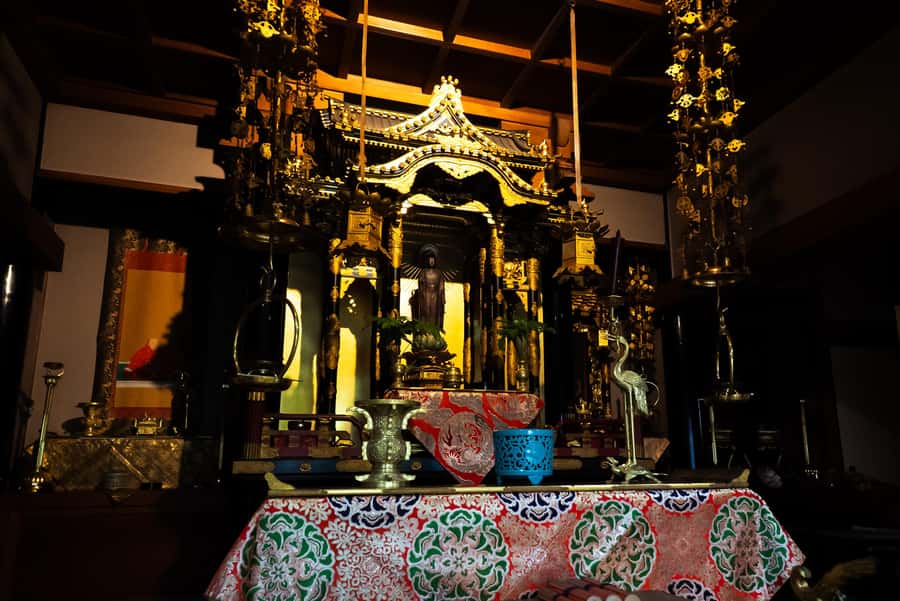
This experience is built around one smart idea: you don’t just want a massage, you want a change of pace. The setting is a traditional Japanese temple in Osaka, which instantly cools the volume of city travel. Even if you’re coming in tired from walking, the atmosphere helps you slow down before anything starts.
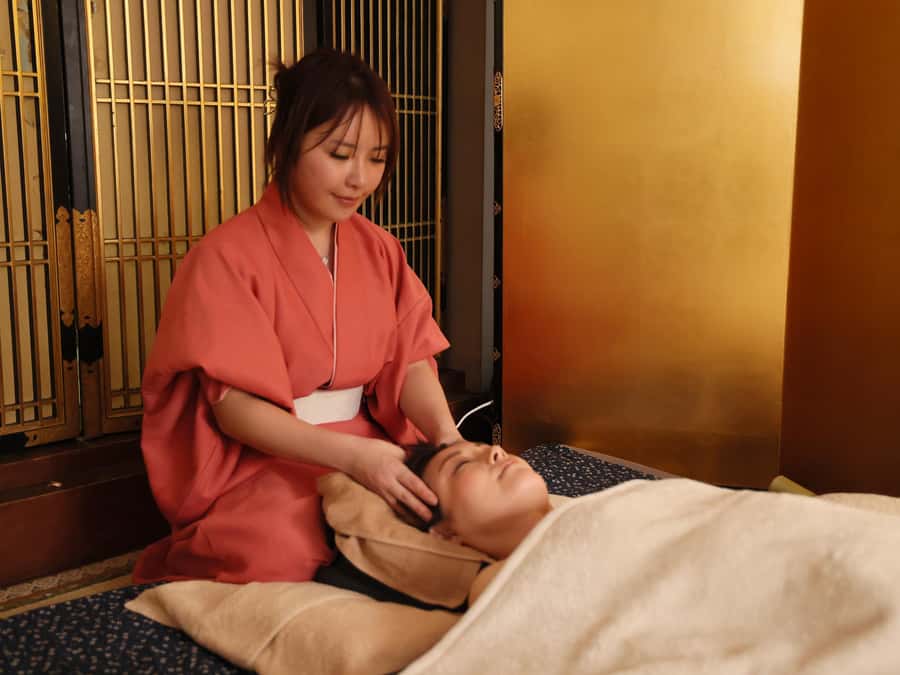
Inside, the treatment is practical and body-focused. You’re not getting a vague spa rub; you’re getting a warm, oil-based massage supported by heated bamboo tools and a bamboo-stick technique used for fascia release. That combination matters because fascia and deep muscle tension are often what makes your shoulders, back, and legs feel stuck after sightseeing.
Two details I’d call out for value. First, this is a limited small group (up to 3). That tends to keep the experience calm and personal. Second, you get smartphone photos, which is a small thing that makes a big difference when you’re trying to remember a travel day without spending 20 minutes awkwardly posing.
You can also read our reviews of more tours and experiences in Osaka.
The treatment, step by step: warm bamboo and oil for travel stiffness
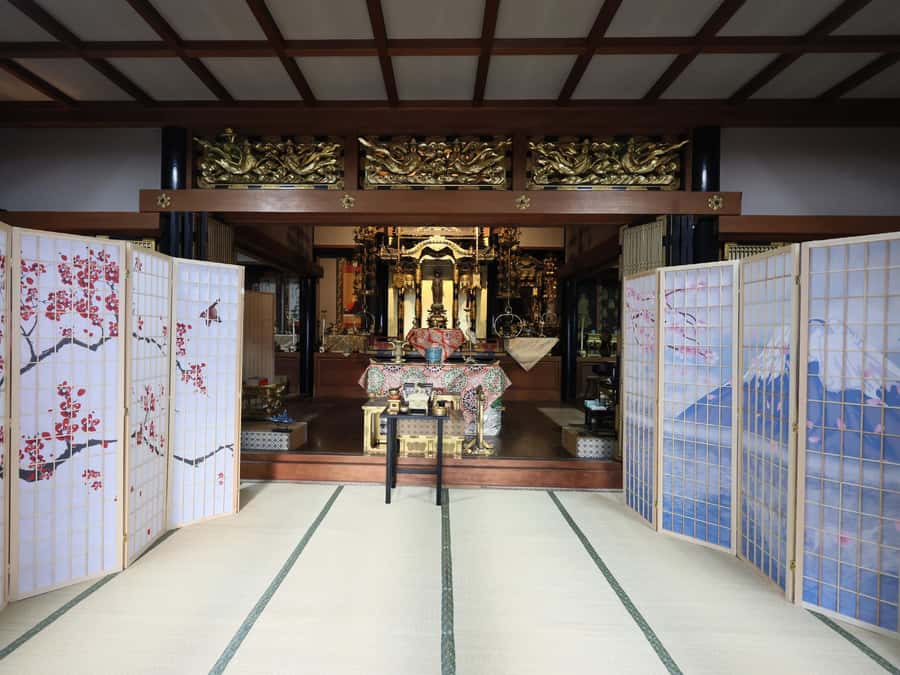
Your main session is 60 minutes, labeled Deep Restore. The format is an individual treatment, but that time is still short enough that you’ll feel the work without losing a whole day.
Here’s what you should expect from the massage style based on the description and how it’s explained:
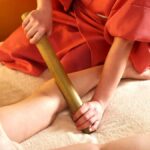
- Warm bamboo and oil hand massage: Heated bamboo tools and soothing oils work together to soften tension. The heat is the first layer of comfort, then the massage helps guide that loosened feeling into the muscle.
- Fascia release with a bamboo stick: This is the technique that turns the session from relaxing to restorative. The goal is to work the fascia so movement feels easier afterward.
- Muscle relief and improved circulation focus: That’s the promise, and the reviews point to a similar effect—people describe feeling looser after walking a lot.
What I like for travelers: the approach is “hit the problem fast.” After days of trains, stairs, and long walks, your body can get locked in that stiff posture you didn’t even notice you adopted. This massage targets that directly with warmth plus pressure plus the bamboo-stick fascia work.
If you tend to carry tension in your hands, shoulders, or legs, tell the therapists where it shows up most. English and Japanese are available, and you can request focus areas.
The temple moment: incense offering and a cultural wellness rhythm
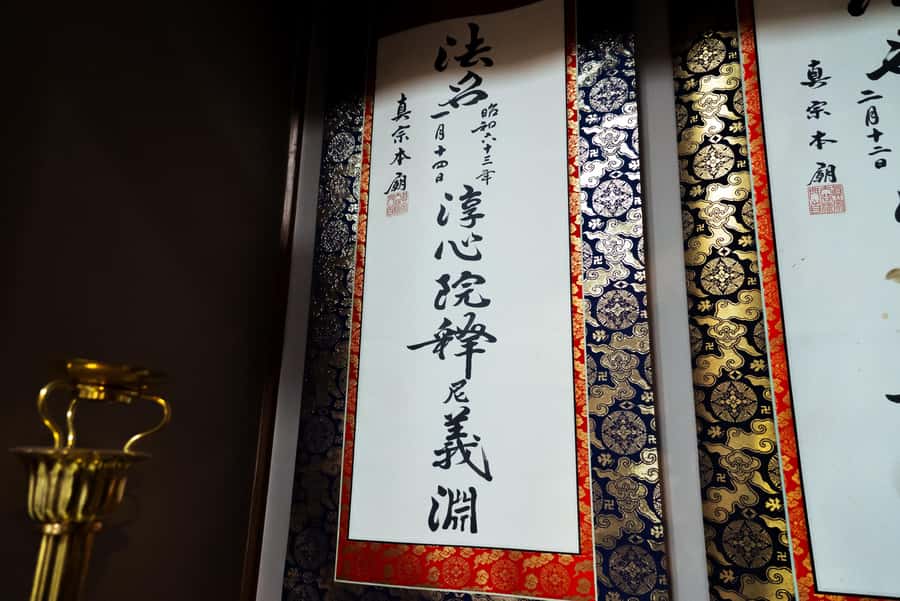
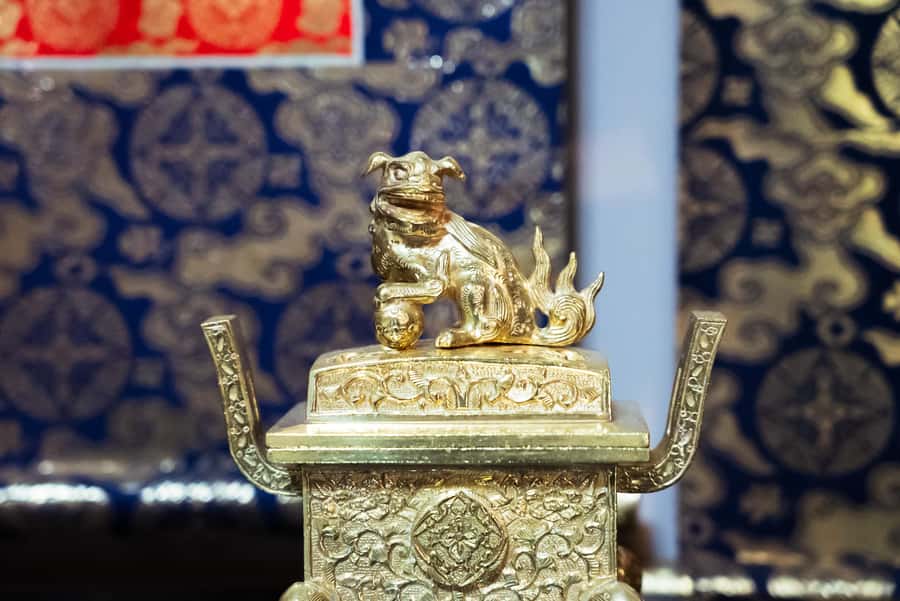
A big part of the appeal here is that you’re doing wellness in a cultural space. There’s a temple visit with incense offering, which gives the experience a sense of order and meaning, not just a massage appointment.
Even if you’ve never done anything like this before, it’s not complicated. You’re guided through the temple moment, and it adds a ritual break between the high-energy city and the physical reset.
Think of it like this: the massage helps your body feel better, and the ritual helps your mind stop scanning the next stop on your itinerary. That combination is what makes a one-hour session feel longer and more satisfying.
The tea element: what’s included vs what you might add
There’s one point where planning matters: you’ll see mention of tea and matcha in related experiences, but in this case, the matcha experience is not included, and yukata rental is not included.
At the same time, you should expect a tea ceremony component as part of the overall course experience, and it may be shared with other guests. If you want everything to be strictly private, the best move is to contact the provider in advance and ask.
Why this matters for your planning: if you’re traveling as a couple and you want uninterrupted quiet, sharing the tea ceremony (even briefly) can change the vibe. If you’re fine with a light group element, then this likely won’t bother you.
Price and value: is $96 for 60 minutes worth it?
$96 per person for a 60-minute massage in a temple setting isn’t the cheapest option in Osaka, but it also isn’t overpriced for what you’re getting.
Here’s the value math that makes sense:
- You’re paying for a specialized technique (warm bamboo tools plus bamboo-stick fascia release), not just generic relaxation.
- The setting is part of the product: a traditional temple, incense offering, and a structured cultural moment.
- You also receive complimentary smartphone photos, which is a real add-on if you care about memories.
- The group is small (max 3), so you’re less likely to feel rushed or processed like a conveyor-belt client.
If your goal is to treat deep travel stiffness and you like the idea of doing it in a meaningful setting, this looks like a solid value. If you’re only after light, standard spa relaxation and you don’t care about the temple ritual, you might find cheaper massages elsewhere—but you’d be giving up the bamboo fascia technique and the temple atmosphere.
Who this is perfect for (and who should reconsider)
This works especially well if:
- You’ve been walking a lot and your body feels tight in a way rest alone hasn’t fixed.
- You want a peaceful, slightly cultural break without committing to a full half-day activity.
- You’re traveling with a friend or partner and want a small-group experience where you’re not lost in a large crowd.
- You like clear time boundaries: 1 hour, done, and you can keep enjoying Osaka.
You might reconsider if:
- You want a fully private, silent, no-sharing ritual flow. The tea ceremony component may be shared with other guests unless you request a private format.
- You were expecting a matching set with matcha and yukata included. Those are not part of this package.
Booking and meeting point tips that save time
The biggest practical risk is getting to the right entrance. The advice here is simple: when you set your route in Google Maps, search for Japanese Massage -the one&only-. If you only search the temple name, you might end up at a back entrance and get turned around.
If you’re in trouble, search for the restaurant Tossa de coracao. The massage place is right next to it, so that’s your quick recovery plan.
For timing, choose a time slot that matches your energy level. This is a “restore after walking” type of activity. If you do it too late, you might feel chilled from the bodywork and want to head straight back to dinner.
What to request during your massage
The massage is guided by you. This is where you can make it feel tailored instead of generic.
Tell them:
- Where you feel the tightest (for example: shoulders, lower back, legs).
- What you want most: loosening stiffness, improved circulation feel, or deep tension release.
English and Japanese are supported, and the therapists are able to accommodate focus requests. That’s important because bamboo fascia work can be more effective when it’s pointed at the right areas instead of spread evenly.
A note on the overall experience flow
One hour can sound short until you realize how much fatigue sightseeing creates. In that 60-minute window, you’re essentially doing three things:
- Transitioning from street noise to calm temple space.
- Getting warm, hands-on bodywork that targets deep tension.
- Leaving with a ritual memory (incense offering + photos) so the day feels complete.
The result is the kind of reset that helps you keep moving. Many people describe feeling that walking comfort returns after, which is exactly what I’d look for if I’m trying to enjoy the rest of my Osaka days.
Should you book Warm Bamboo Oil Massage in an Osaka temple?
I’d book it if you want a massage that’s both treatment-focused and culturally placed, without spending half your day on logistics. The bamboo fascia technique and heated oil work give it real purpose. The incense offering and temple setting add a human, grounded touch that you won’t get from a generic massage shop.
I’d skip it or plan add-ons carefully if you specifically need matcha or yukata included, because those aren’t part of this package. Also, if full privacy is your priority, message in advance about the tea ceremony sharing.
If your body is tight and your schedule is tight too, this is a smart, efficient way to feel better and see Osaka at a calmer pace.
FAQ
How long is the warm bamboo oil massage?
The massage is 60 minutes.
Where is the activity located?
It’s in Honshu, Japan (Osaka temple experience).
What is included in the 60-minute package?
You’ll receive a warm bamboo and hand oil massage plus bamboo stick fascia release, along with a welcome drink and complimentary smartphone photos.
What happens during the temple part of the experience?
You’ll visit the temple and take part in an incense offering.
Is matcha included?
No. The matcha experience is not included.
Is a yukata rental included?
No. Yukata rental is not included.
Is the experience private?
It’s an individual treatment, but the tea ceremony experience may be shared with other guests. If you want a completely private experience, contact the provider.
What group size should I expect?
The small group is limited to 3 participants.
What languages are available?
The instructors speak English and Japanese.
What is the cancellation and payment flexibility?
Free cancellation is available up to 24 hours in advance for a full refund, and you can reserve now and pay later.